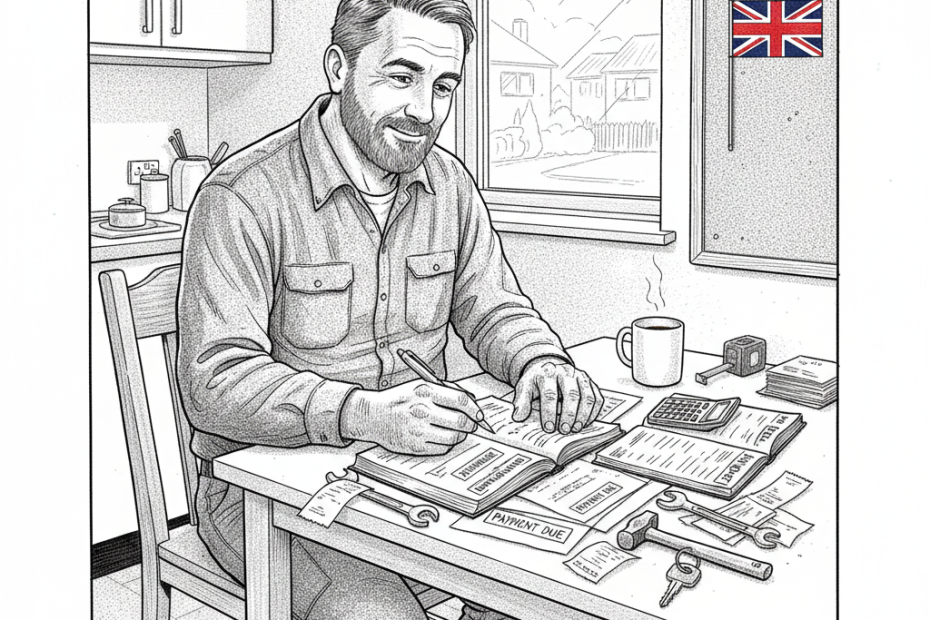
Late payment pressure is becoming a sharper cash-flow problem for tradespeople, with new research suggesting many are spending more time chasing invoices, negotiating deposits and protecting themselves before they start larger jobs.
Direct Line business insurance said more than half of tradespeople surveyed had seen late payments increase compared with a year ago. The findings were reported by the BBC alongside examples from Welsh electrical and tree-surgery firms, where owners described more haggling, more payment plans and more time spent on debt-chasing.
For small firms, this is not just an admin nuisance. A delayed invoice can quickly affect wages, fuel, materials, insurance, vehicle costs and the ability to book the next job. The practical message is clear: trades and service businesses should review payment terms before cash-flow pressure becomes a crisis.
What the survey found
Direct Line said 53% of tradespeople surveyed were experiencing more late payments than a year earlier, while 68% were currently chasing at least one overdue payment. Almost a quarter said they were juggling four or more late payments at the same time.
The average amount owed in late payments was put at £2,023. The research also found that 42% of tradespeople had written off debts of more than £500 from unpaid invoices, while one in five had abandoned chasing invoices worth more than £1,000.
Those numbers will feel familiar to many small business owners outside the trades too. Late payment is a long-running SME issue because smaller suppliers often lack the finance teams, legal support and spare working capital that larger companies can draw on. BritishSME has previously covered how late payments are still squeezing UK SMEs, and this latest trades-focused snapshot shows the pressure is still very real at the sharp end.
Why trades are exposed
Tradespeople often carry costs before the customer pays. A job may require materials, fuel, specialist tools, subcontractor time, waste disposal, permits or hire equipment. Even smaller domestic jobs can involve several moving parts, while commercial and agricultural work may stretch over a longer period.
That makes payment timing critical. If a customer delays the final bill, the business may still need to pay staff, suppliers and vehicle costs on time. A few overdue invoices can create a squeeze even when the order book looks healthy.
There is also a pricing problem. The BBC spoke to firms that said customers are questioning estimates more often or asking whether fixed prices can be reduced. That is understandable when households and businesses are under pressure, but it leaves small suppliers balancing empathy with the need to protect margins.
For van-based firms, the wider cost base matters too. Fuel, insurance, maintenance and replacement equipment can all make cash-flow mistakes more expensive. Our recent note on fuel duty uncertainty for small businesses is a reminder that transport-heavy firms often have less room to absorb payment shocks.
What small firms can tighten now
First, make payment terms visible before work starts. Quotes should say when deposits are due, when stage payments apply, when the final invoice will be issued and what happens if payment is late. Clear terms do not remove every awkward conversation, but they make it easier to point back to an agreed process.
Second, consider deposits or staged payments for larger jobs. Direct Line said many tradespeople are already taking action, including asking for part-payment upfront or sending invoices before the job is fully completed. For bigger projects, stage payments can reduce the risk of one large final invoice becoming a cash-flow problem.
Third, invoice quickly and consistently. If invoicing happens late at night after a full day on site, it is easy for admin to slip. A regular invoicing routine, clear job references and simple payment links can help customers pay before the bill becomes a chasing exercise.
Fourth, set a chasing timetable. A polite reminder before the due date, another on the due date and a firmer follow-up after the deadline can stop overdue invoices drifting. The key is to make chasing routine rather than emotional. Small firms should also keep records of calls, emails and payment promises in case a dispute later needs formal action.
Fifth, watch for repeat patterns. If the same type of job, customer or project size regularly causes payment stress, the business may need different terms for that work. That could mean bigger deposits, shorter payment windows, clearer scope documents or avoiding jobs where the risk is not worth the margin.
The practical takeaway
The late-payment problem facing tradespeople is a warning for any small firm that relies on prompt customer payments. Strong sales do not always mean healthy cash flow if money arrives late, invoices are written off or owners spend too much time chasing what they are owed.
For trades, contractors and service firms, now is a good time to review quote wording, deposit rules, invoicing habits and late-payment follow-up. The aim is not to become less flexible with good customers. It is to make sure the business can keep paying its own bills while still doing the work customers need.
Sources: Direct Line business insurance research on tradespeople and late payments; BBC reporting on UK tradespeople chasing debts and negotiating payment pressures.