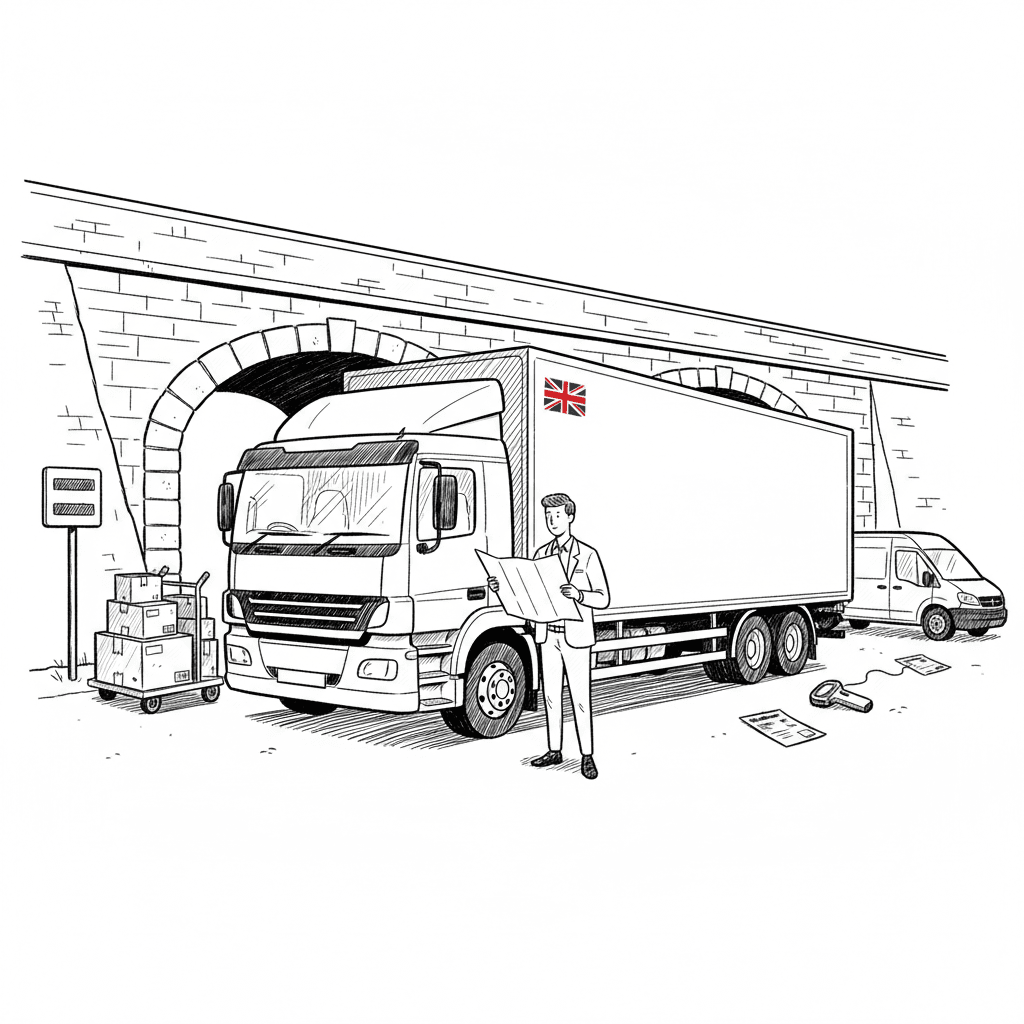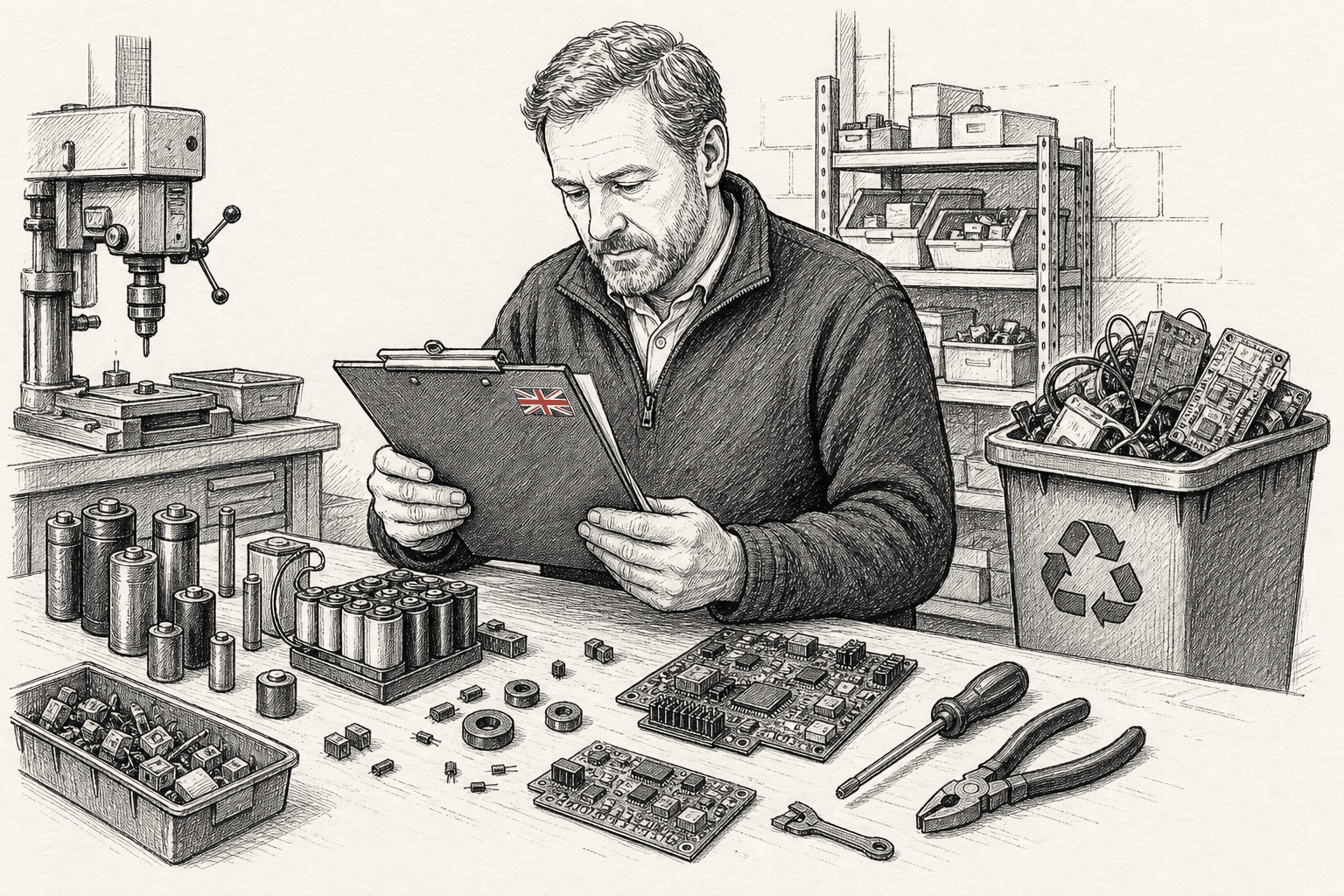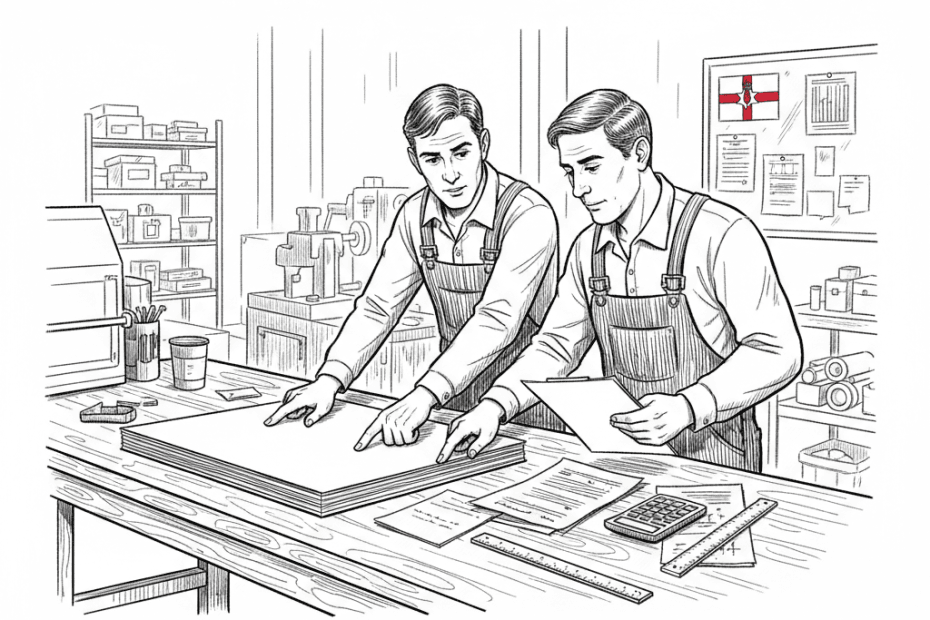
New steel import controls have moved from policy debate to live cost pressure for manufacturers, with Northern Ireland firms warning that the impact could be felt quickly in engineering, quarrying, recycling equipment and wider supply chains.
The BBC reported that UK and EU steel import controls came into effect on 1 July 2026. The UK rules reduce the amount of tariff-free steel that can be imported and place a 50% tariff on imports above those quota levels. The government has said the measure is intended to protect UK steelmaking from global overcapacity while giving firms certainty, and that it will review the policy after 12 months.
For small and mid-sized manufacturers, the issue is not only the headline tariff. It is whether input costs rise faster than firms can reprice work, whether existing contracts leave enough room to recover extra costs, and whether overseas competitors face the same pressure.
The concern is particularly sharp in Mid Ulster, where manufacturing is a major employer and where mobile crushing and screening equipment is a specialist strength. Companies quoted by the BBC said steel-dependent firms are competing with businesses in countries such as Romania, Brazil and China. If a Northern Ireland producer pays more for steel while an overseas rival does not, the margin hit can quickly become a sales and jobs issue rather than a procurement annoyance.
Manufacturing NI also warned that the change could be profound for companies that rely on steel to make finished products. Its chief executive, Stephen Kelly, told the BBC that some firms had already struggled to maintain competitiveness and that at least one company had shifted production outside Northern Ireland.
There are transitional details that matter. The BBC reported that goods under contract before 14 March 2026 and imported between 1 July and 30 September 2026 will not face the 50% tariff. Some steel products that cannot be made within the UK are also exempt from the arrangements. That means firms should avoid assuming every order is treated the same way.
The immediate task for SMEs is to map exposure. Any business that buys steel directly, buys fabricated steel parts, imports machinery components, or quotes fixed-price jobs months ahead should identify which materials are in scope, which suppliers are using quota-limited imports, and which contracts have price variation clauses. If the answer is unclear, ask suppliers for written confirmation rather than relying on a verbal estimate.
Cash flow planning also matters. A tariff or quota-related price rise can land before a customer pays, which creates working capital pressure for firms already managing wage, energy and transport costs. BritishSME has previously covered how late payments continue to squeeze UK SMEs, and this is the kind of cost shock that can make slow invoices more painful.
Manufacturers should also review quote validity periods. If steel costs are moving, a quote that stays open for too long may leave the business carrying a price increase it cannot recover. For repeat customers, it may be worth explaining the change early and setting out how steel-linked pricing will be handled on future orders.
There is a policy angle to watch too. Northern Ireland’s Economy Minister, Caoimhe Archibald, told the BBC she was concerned about downstream impact and wanted the measures reviewed sooner than 12 months. Trade bodies and local business groups are likely to keep pressing for changes if costs rise or if quotas create availability problems.
For now, the practical takeaway is simple: check before the next order. Confirm whether incoming steel or components are affected, review fixed-price contracts, tighten quote terms, and speak to key customers before extra costs become a dispute. The firms that spot exposure early will have more room to protect margins, negotiate sensibly and keep work moving.
Sources: BBC News report on steel tariffs and Northern Ireland firms; UK government written statement on steel safeguards.