Fresh forecasts of a sharp rise in household energy bills this summer are another reminder that UK small businesses may not get much breathing space on costs either. Cornwall Insight now says the household price cap for July to September could rise to £1,973 a year, up from the current £1,641, after wholesale oil and gas prices jumped in March. Small firms are not covered by the domestic cap, but many of the same wholesale pressures still feed through to business tariffs, contract renewals and general running costs.
For cafés, shops, salons, trades, small manufacturers and other owner-managed firms, that matters less as an abstract market story and more as a cash-flow problem. If wholesale energy stays elevated, businesses coming up to renew fixed contracts, or already on more exposed terms, may find that power and gas stop getting easier just as other costs remain stubborn.
What happened
The new warning comes from energy consultancy Cornwall Insight, which has forecast that Ofgem’s next household price cap could rise by £332 a year from July. The final cap will not be set until 27 May and will depend on wholesale prices through March, April and May, so the figure may still move. Ofgem’s current cap for a typical household covers the period from 1 April to 30 June and sits at £1,641 a year after a 7% fall announced in February.
The immediate driver behind the latest forecast is the recent surge in oil and gas prices linked to conflict in the Middle East. That does not mean every small business bill will jump in lockstep with the household cap. Business energy works differently, and firms are usually on negotiated contracts rather than a default regulated tariff. But when wholesale markets move sharply, SMEs still feel it sooner or later through new quotes, end-of-contract pricing, supplier caution and wider inflation pressure.
Why it matters for SMEs
Energy costs have a habit of hurting unevenly. A graphic design studio may be able to absorb a modest increase more easily than a launderette, pub kitchen, convenience store or workshop running machinery all day. But even firms with modest direct usage can get squeezed indirectly if customers cut spending or if suppliers pass on higher transport and operating costs.
That is why this matters beyond the utility bill itself. For many small firms, energy is one line in a bigger monthly stack that also includes rent, wages, finance, insurance and stock. A move in the wrong direction can undo recent gains and make owners more cautious about hiring, opening hours or investment. Businesses already operating in a weak-demand environment may also want to revisit our look at the flat UK economy in January, because soft sales and rising costs are an especially awkward combination.
Firms that rely on vans, deliveries or regular travel should keep an eye on fuel markets too. Higher oil prices do not only affect heating and electricity expectations. They can also feed through into forecourt prices, which is why our earlier piece on fuel duty uncertainty remains relevant for trades and mobile businesses watching every margin.
What small businesses should do now
First, check when your current energy contract ends. If renewal is coming up in the next few months, now is a sensible time to speak to a broker or supplier and understand your options rather than leaving it to the last minute. The best choice will vary by business, but the common mistake is drifting into a decision when the market is moving against you.
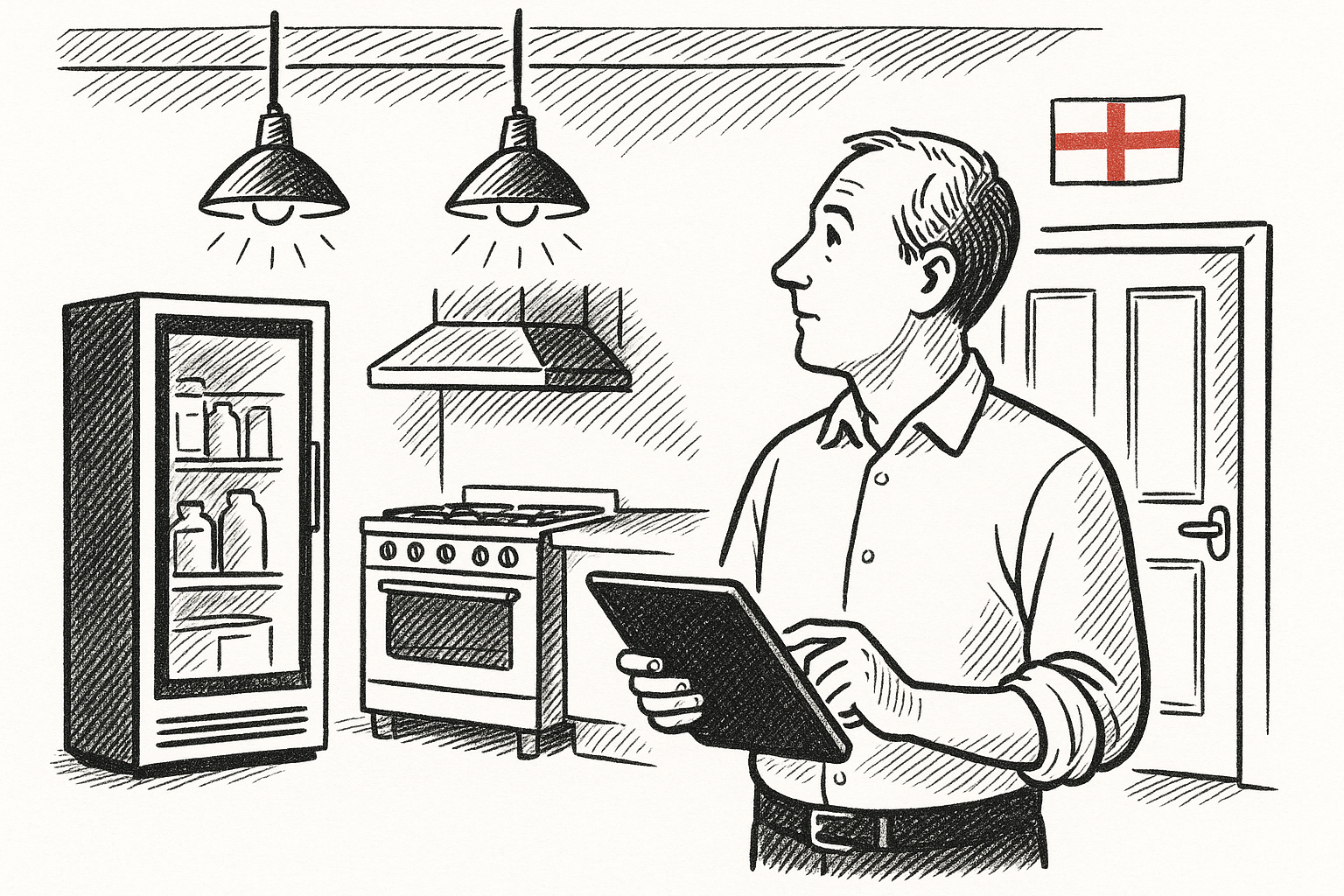
Second, review where energy use is actually happening. For some firms that means refrigeration, extraction, heating, lighting or long equipment run-times. For others it means waste, such as heating empty rooms, old bulbs, poorly timed systems or appliances left running overnight. A short practical review can be more useful than waiting for a big strategic answer.
Third, stress-test cash flow. Even if your own tariff does not change immediately, higher energy prices can still affect customer confidence and supplier costs. The question is not only “what will our bill be?” but also “what happens if two or three costs worsen at once?” That is the sort of boring but valuable planning that helps owner-managers stay calm when headlines turn into invoices.
The practical takeaway
This is not a confirmed rise for business energy bills, and the July household cap itself is still only a forecast. But it is a credible early warning that the recent improvement in energy costs may not last. For SMEs, the smart move is not panic. It is preparation: know your renewal dates, trim waste where you can, and plan on the basis that volatile energy markets are still very much with us.
Sources
- BBC News, Typical energy bill forecast to rise by £332 a year in July, published 20 March 2026
- Ofgem, Energy price cap will fall by 7% from April, published 25 February 2026