Late payment remains one of the most stubborn problems facing small businesses in the UK, so a new webinar series from the Office of the Small Business Commissioner is a timely reminder that cashflow discipline still matters just as much as sales growth.
The new series, called Get the Money Moving, will cover fair payment practices, digital tools and practical advice on reducing the risk of getting paid late. That may sound modest compared with major policy announcements, but for many small firms, getting money in on time is one of the biggest day-to-day challenges in business.
What is being launched
The Office of the Small Business Commissioner says the new monthly webinar series will run through the rest of the year. The first episode featured Checkatrade chief executive Jambu Palaniappan, with future guests due to include figures from the Financial Times, Allica Bank and OnBuy.
The stated aim is to help small firms build a better payment culture, understand practical tools and improve how money moves through the economy. The sessions are free to watch, short in length and clearly designed to be useful rather than academic.
Why this matters for SMEs
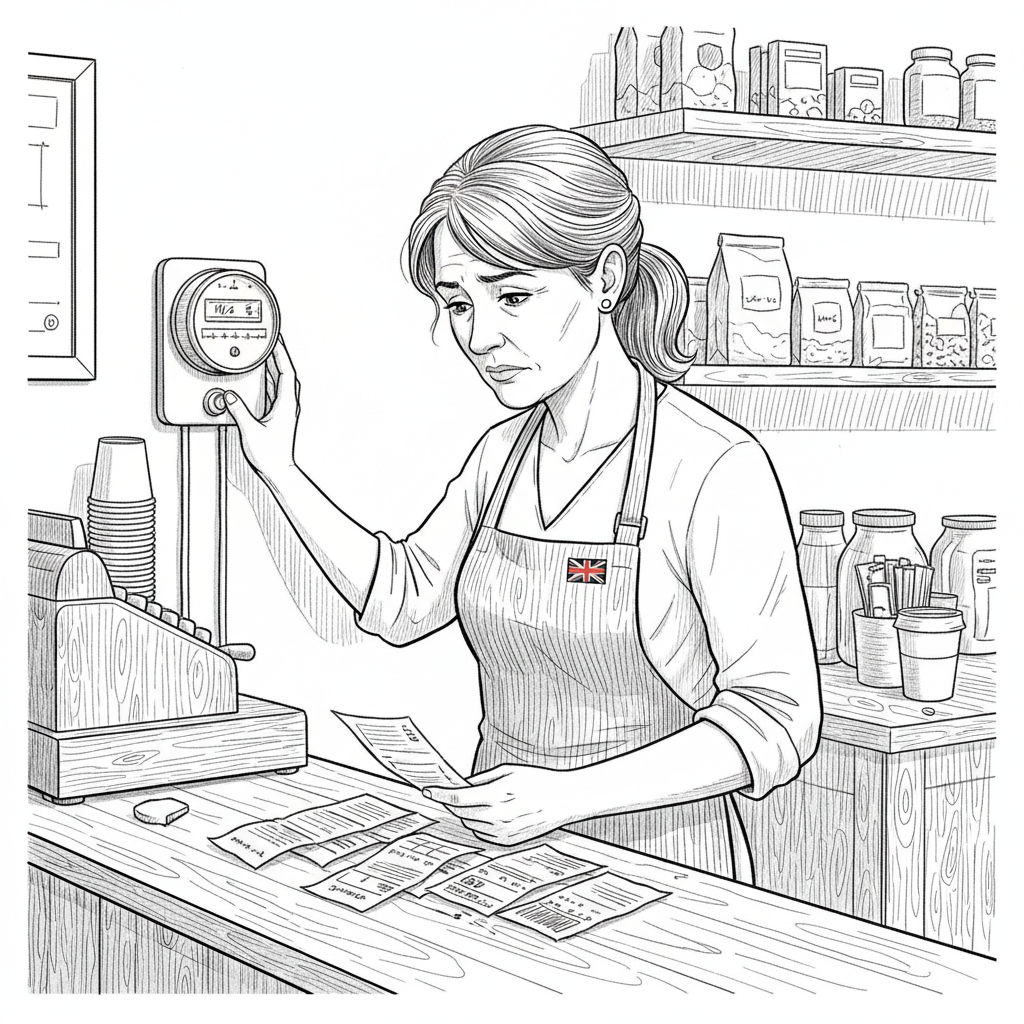
For a small business, a late invoice is rarely just an annoyance. It can affect wages, supplier payments, stock ordering, VAT planning and the owner’s own ability to sleep at night. A larger company may be able to wait. A smaller one often cannot.
That is why payment behaviour matters so much. Good businesses can still fail if cash arrives too slowly. Late payment also creates a damaging chain reaction. If one firm pays late, another may struggle to pay its own suppliers on time, and the pressure spreads.
The Commissioner’s focus on payment culture is important because this problem is not always solved by law or policy alone. It also depends on habits inside businesses: how invoices are issued, how terms are agreed, how credit control is handled and how confidently owners chase what they are owed.
What small businesses can take from this now
Even if you never watch a single webinar, the launch is a good trigger to review your own payment processes.
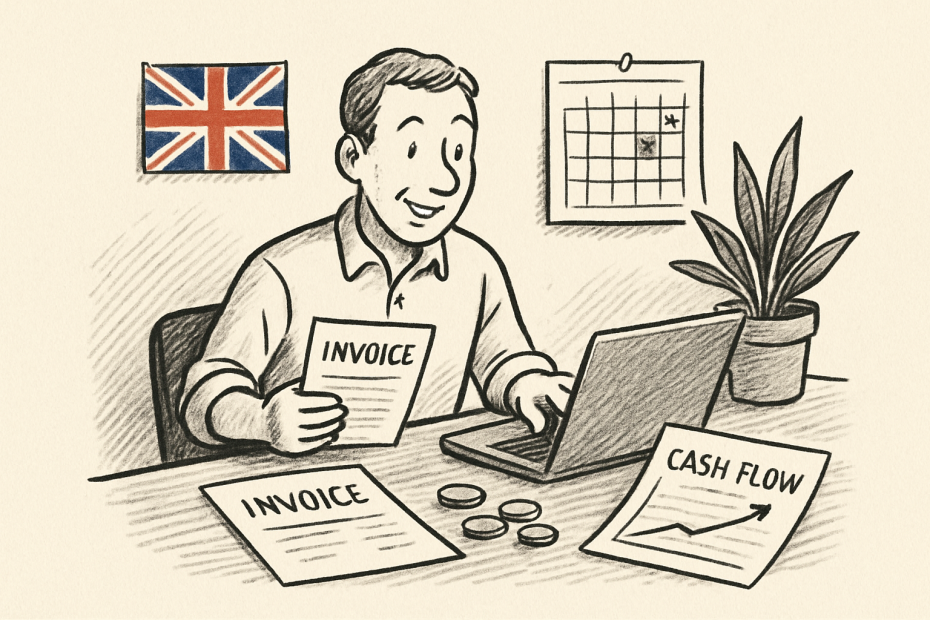
- Check your invoice timing. The faster and clearer your invoicing, the better your chances of getting paid without delay.
- Tighten your terms. Make sure payment deadlines, late fees and deposit terms are easy to understand before work begins.
- Use reminders properly. A polite, consistent system often works better than ad-hoc chasing done only when cash gets tight.
- Review who pays slowly. Some customers are consistently late. If they are harming cashflow, pricing and terms may need to change.
- Use digital tools where they help. Software for invoicing, reminders and reconciliation can save time and reduce excuses.
For trades, agencies, consultants, online sellers and service businesses, this is especially relevant. Many small firms focus heavily on winning work but not enough on the process of getting paid for it promptly.
Why this kind of guidance is useful
Not every business owner wants a long report or a technical briefing. Short, practical content can be more useful when time is limited. If this series delivers real examples and sensible advice, it could become a worthwhile resource for firms that want to improve cashflow without wading through jargon.
It also helps keep prompt payment in the spotlight. That matters because late payment is often normalised when it should be treated as a serious business issue.
The practical takeaway
The Small Business Commissioner’s new webinar series will not solve late payment on its own, but it arrives at the right time and focuses on a problem that hits SMEs where it hurts most: cashflow.
If you run a small business, use this as a nudge to review how your firm invoices, chases, agrees payment terms and manages repeat offenders. Better payment habits may not be glamorous, but they can make a very real difference to resilience and growth.