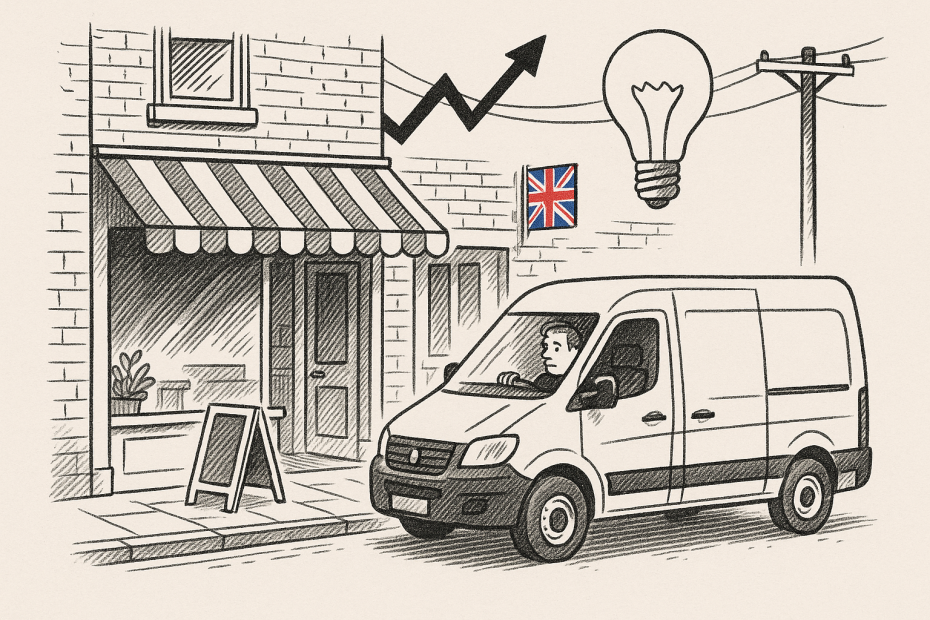
Higher oil prices are already feeding through into the day-to-day costs that many UK small businesses feel first: fuel, deliveries, supplier charges and customer confidence.
Over the weekend, Energy Secretary Ed Miliband said the government would intervene on energy bills “if necessary” as the conflict involving Iran drives volatility in global oil and gas markets. At the same time, BBC reporting has highlighted an 18-month high in average petrol prices, with analysts warning that every 10-dollar rise in oil can add roughly 7p a litre at the pump.
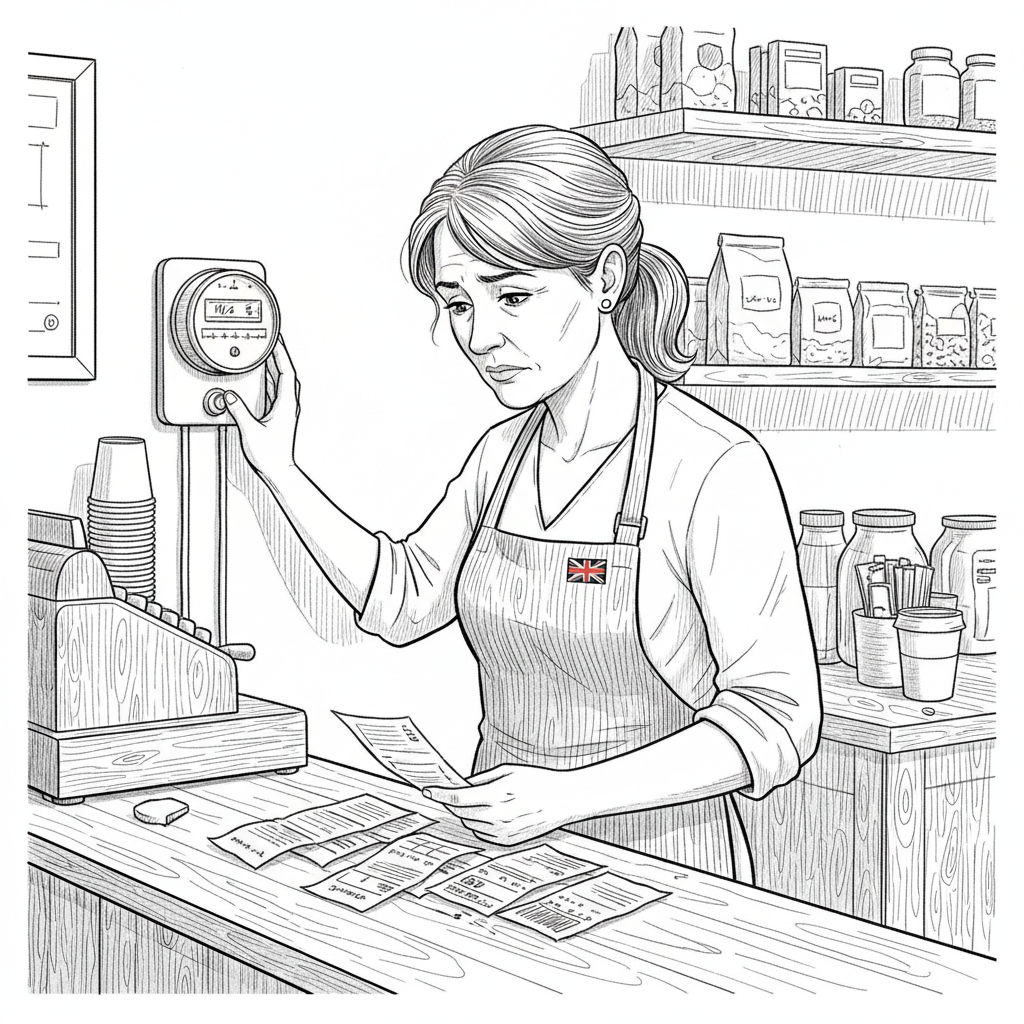
That matters for far more than haulage firms. A florist with a van, a plumber covering three towns, a caterer buying from wholesalers, a guesthouse heated by oil, or a café waiting on fewer discretionary customer visits can all feel the squeeze quickly.
This is not exactly the same story as the government’s longer-term energy security push. That was about structural change. This week’s issue is more immediate: if fuel and energy stay elevated, what should small firms do now?
What has happened
According to the BBC, average petrol prices hit 140.6p a litre on Friday and diesel reached 159.2p, both driven higher by the jump in crude prices since the start of the conflict. Miliband has said ministers are preparing for “all eventualities” and could step in if the pressure on bills becomes severe enough.
There is also concern around heating oil, especially in rural areas and for properties that are not on the gas grid. Unlike household gas and electricity, heating oil does not have a price cap, so cost increases can show up much faster. That is important for rural shops, pubs, workshops, holiday lets and hospitality businesses operating outside towns and cities.
Even businesses that do not buy large amounts of fuel directly can still be hit. Suppliers face higher transport costs. Staff commuting becomes more expensive. Customers often turn more cautious when petrol, energy and mortgage worries all rise together.
Why SMEs should take this seriously
The main risk is not just one higher invoice. It is a chain reaction through the profit and loss account.
For trades and mobile services, fuel costs can erode margin job by job. For retailers and hospitality firms, the issue is often a combination of more expensive stock movement and softer customer demand. For manufacturers and food businesses, transport and utility costs can both rise at once.
That sits on top of the weak-demand backdrop we covered in our earlier piece on the UK economy flat in January. When household budgets are under pressure, small businesses can get hit from both sides: higher costs in and more cautious spending out.
Cash flow is the second issue. If suppliers start passing on costs quickly but customers pay late, the gap can widen. That makes it even more important to stay on top of invoicing and collections, especially if your business already deals with delayed payments. Our recent look at late payment pressure on SMEs is relevant here too.
What small businesses should do this week
First, identify where fuel and energy exposure actually sits in your business. Do not guess. Check vans, deliveries, call-out work, refrigeration, cooking, heating and supplier surcharges. A quick review often shows that one or two lines are doing most of the damage.
Second, tighten quoting and pricing discipline. If you run a service business, now is a sensible moment to check whether call-out fees, delivery charges or minimum-job pricing still reflect your real travel costs. Small firms often absorb increases for too long because they worry about customer reaction, then discover margin has quietly disappeared.
Third, talk to key suppliers early. Ask whether they expect temporary surcharges, delivery changes or stock disruption. You do not need to overreact, but it is better to know now than be surprised on a busy day.
Fourth, protect cash. Bring invoicing forward where possible, chase overdue balances promptly and avoid letting admin lag build up. If costs stay jumpy for a few weeks, cash discipline will matter as much as cost control.
For firms with vehicles, it is also worth revisiting route planning, batching jobs and basic driving habits. Those are not glamorous fixes, but they can make a real difference when pump prices move quickly. This sits alongside the issues in our earlier coverage of fuel duty uncertainty and what businesses should watch before September.
The practical takeaway
There is no need to panic, and there is not yet a new support package for most businesses to rely on. But there is enough movement in fuel and energy markets to justify paying attention now.
For SMEs, this is a week to check exposure, protect margin and stay close to cash flow. If government support does arrive later, that may help. Until then, the safest approach is to act as though higher costs could linger and make small, practical decisions before they turn into bigger problems.
Sources
- BBC News, Energy bills, mortgages and more: How the Iran war may affect your money, published 15 March 2026
- BBC News, We will intervene on energy bills “if necessary”, says Ed Miliband, published 15 March 2026
- UK government news release, Government to go “further and faster” in becoming energy secure, published 15 March 2026