Small businesses across the UK are watching fuel costs nervously again after Sir Keir Starmer said a planned fuel duty rise from September will be kept under review because of the conflict involving Iran and the knock-on effect on oil markets.
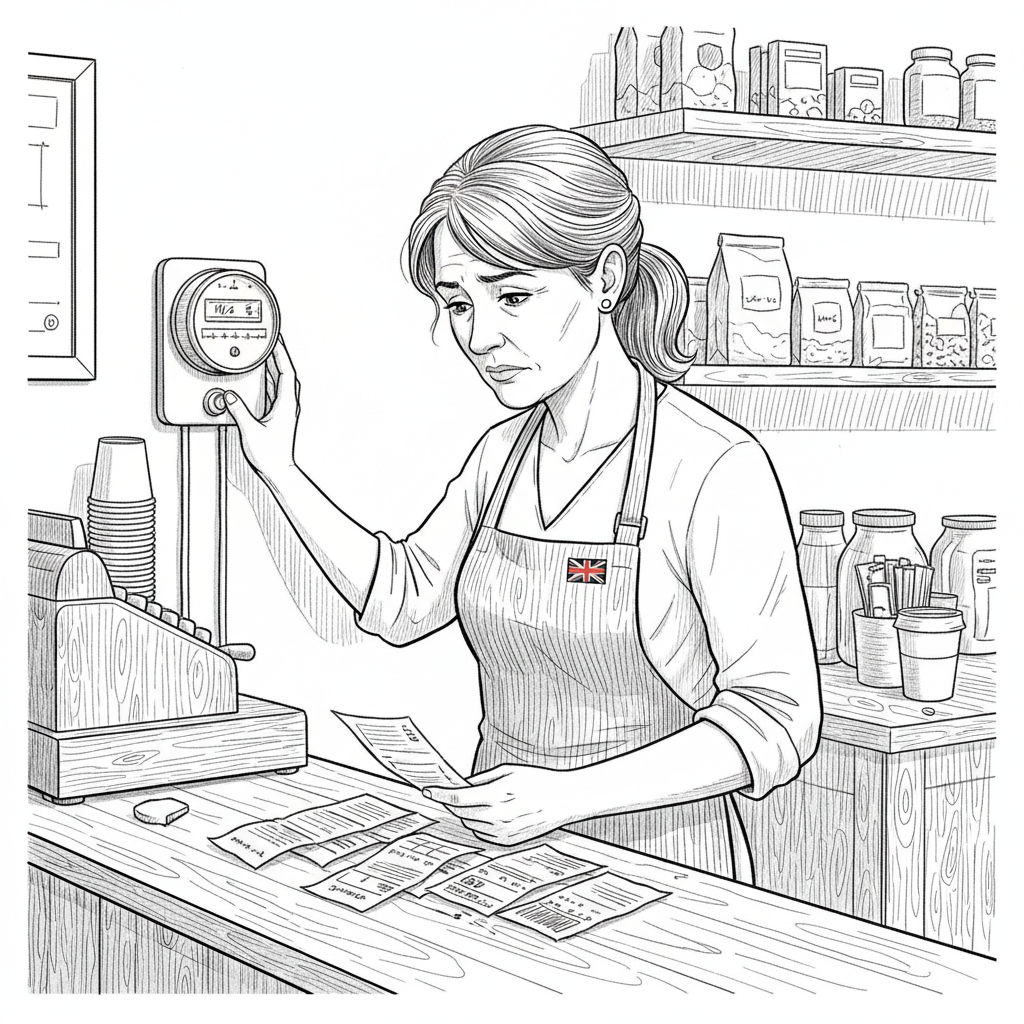
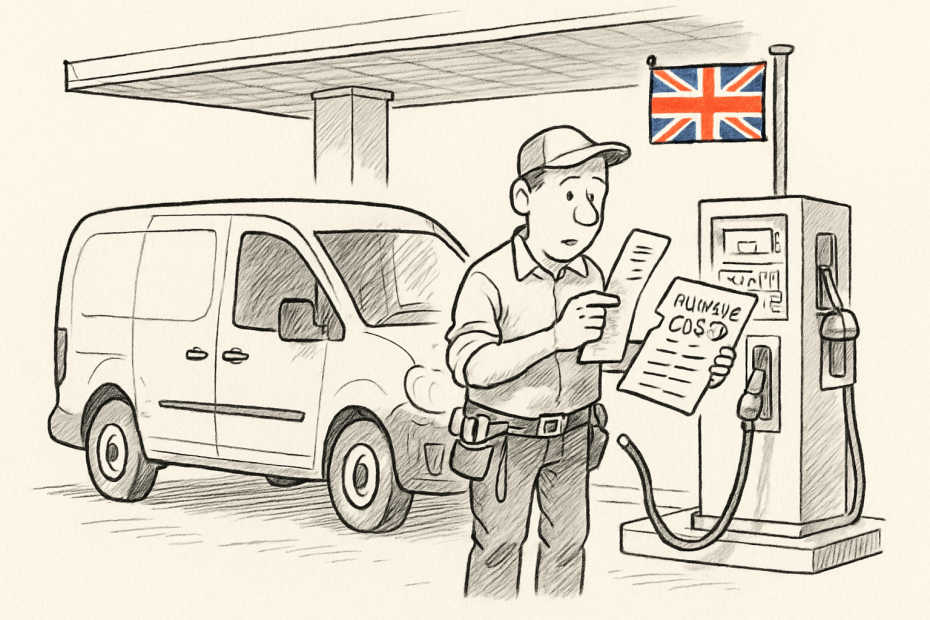
For big companies, higher pump prices are another line on a spreadsheet. For smaller firms, they can be a direct hit to profit. Tradespeople, delivery operators, mobile services, rural businesses, hospitality suppliers and any company running vans or cars can feel the squeeze within days.
What has happened
According to the BBC, the current fuel duty freeze remains in place until September. The issue is what happens after that, when a temporary 5p cut is due to be phased out over six months. The prime minister has said the government will keep the situation under review because the market is volatile and events in the Middle East could affect oil prices further.
That does not mean a final decision has been made. But it does mean businesses should not assume fuel costs will stay steady through the second half of the year. Even before any tax change, wholesale price swings can feed through to forecourts, and that puts pressure on firms that depend on the road every day.
Why this matters to SMEs
Fuel is one of those costs that spreads quietly through a business. It does not just affect the van on the driveway. It can raise the cost of deliveries, call-outs, supply runs, staff travel and pricing promises made to customers months ago.
For a local plumber, electrician or builder, a few extra pounds a day at the pump soon adds up. For a catering business, retailer or café, transport costs can increase both direct costs and supplier prices. For rural firms, the pain can be worse because driving is less optional.
Many small businesses also find it harder than larger rivals to absorb sudden cost shocks. Bigger companies may have stronger cash reserves, dedicated fleet planning or buying power. SMEs often have to make decisions faster and with less room for error.
What business owners should do now
There is no reason to overreact, but this is a sensible moment to stress-test fuel exposure.
- Review your pricing. If fuel is a major part of your cost base, check whether quoted prices still leave enough margin.
- Look at mileage habits. Better route planning, fewer duplicate journeys and smarter scheduling can make a real difference.
- Check supplier terms. Some suppliers may try to pass on higher transport costs quickly. Know where that could hit you first.
- Update cashflow forecasts. Even modest rises in fuel spend can create pressure if margins are already tight.
- Think about customer communication. If you may need to adjust call-out fees or delivery charges later, it helps to prepare the wording now.
This is also a reminder that energy and transport risks are linked. If global tensions keep markets jumpy, businesses may not only face pressure at the pump but wider cost increases through logistics and supplies as well.
The practical takeaway
The government has not confirmed a final move on fuel duty from September, but it has clearly signalled that conditions are uncertain. For small businesses, that uncertainty is enough reason to plan ahead.
The smartest response is not panic. It is preparation: understand how exposed your business is, tighten operations where you can, and avoid being caught out if higher fuel costs arrive later in the year.
For SMEs that rely on mobility, fuel is never just a political talking point. It is a daily business cost, and small changes in policy or markets can have a very real effect on the bottom line.