
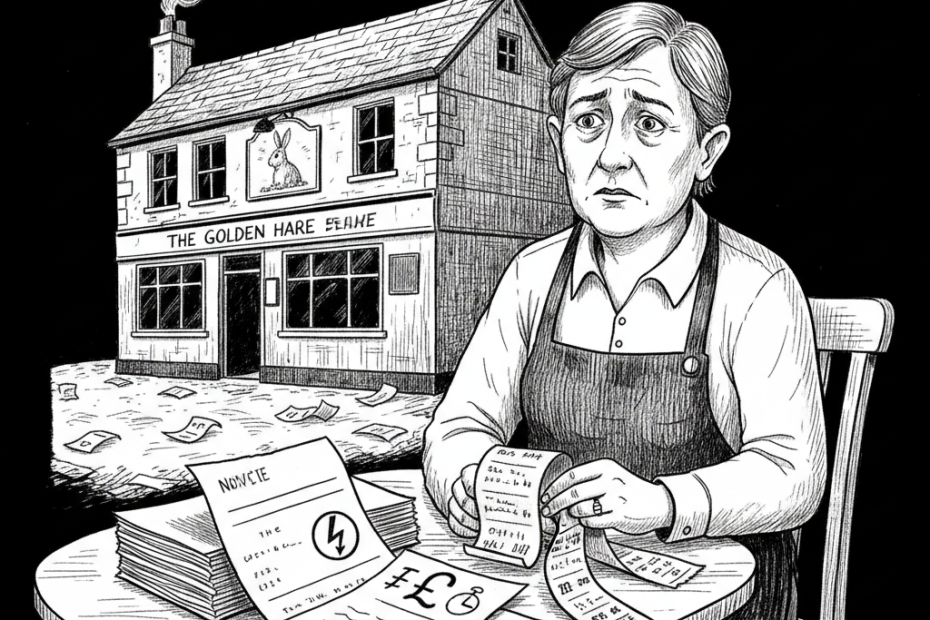
Leading UK chefs have renewed calls for a lower VAT rate for pubs and restaurants, adding fresh pressure to a debate that many small hospitality businesses will recognise immediately: how to price fairly while food, wages, rent, energy and tax costs keep squeezing margins.
According to BBC News, Tom Kerridge, Yotam Ottolenghi, Ravneet Gill and Simon Rogan have called for VAT on hospitality to be cut to 10%. Their argument is that pubs, cafes and restaurants are facing cost pressure that is hard to absorb without raising prices, reducing opening hours or cutting investment.
For small hospitality operators, the important point is not that a VAT cut is guaranteed. It is not. The practical takeaway is that VAT, pricing and cost control are back in the spotlight just as a separate temporary VAT relief for children’s meals and family attractions is due to start on 25 June 2026.
What has happened
The latest intervention comes from high-profile chefs and operators who say a 10% VAT rate would ease pressure on pubs and restaurants. The UK’s standard VAT rate is 20%, and most eat-in restaurant and cafe sales are standard-rated unless a specific relief applies.
The call lands shortly after HMRC published guidance on the government’s temporary summer VAT relief for families. From 25 June to 1 September 2026, a reduced 5% VAT rate is expected to apply to certain children’s meals, children’s admission tickets and some family attractions, subject to the relevant statutory instrument being made and coming into force.
That temporary relief is much narrower than the 10% rate being sought by the chefs. It covers specific supplies, such as children’s meals sold as children’s meals for consumption on the premises, and certain family-focused admission tickets. It does not amount to a general VAT cut for the hospitality sector.
Why small hospitality firms should care
Small pubs, restaurants, cafes and food-led venues often have less room to absorb shocks than national groups. A few percentage points on food costs, an energy contract change, higher wage bills or a quiet trading month can quickly turn a workable week into a loss-making one.
VAT is especially sensitive because customers see the final menu price, while the business has to account for the tax behind it. If prices rise too quickly, demand can soften. If prices stay flat for too long, the operator carries the pressure. That is why industry calls for a lower rate keep returning whenever cost pressure builds.
Many small firms are also managing the same broader pressures that affect other local employers: cautious customer spending, fragile cash flow and rising operating costs. Our recent note on late payments and SME cash flow is relevant here, because hospitality suppliers, event partners and business customers can all affect working capital.
Do not plan on a wider VAT cut yet
The safest planning assumption is that the standard VAT rate remains in place unless and until the government announces otherwise. A public campaign can change the political weather, but it is not a rule change.
Owners should therefore avoid building forecasts around a broad 10% hospitality VAT rate. Instead, treat the current debate as a prompt to check pricing, supplier terms, menu engineering and VAT treatment. If relief does come later, the business will be in a better position to decide whether to pass it on to customers, protect margin, invest in staff or improve cash reserves.
The confirmed near-term issue is the summer family relief. Businesses that sell children’s meals or operate family attractions should read the HMRC guidance carefully rather than assume all discounted meals or family products qualify.
Check whether the summer VAT relief applies
HMRC says the reduced rate for children’s meals depends on how the meal is marketed, priced and presented. A dedicated children’s menu is the clearest route. Smaller portions of adult meals, lower-calorie options, shared meals and takeaway meals are outside the relief described in the guidance.
That distinction matters for small restaurants and cafes because point-of-sale systems, menu wording and staff training may need to be changed before 25 June. If the till applies the wrong rate, the business may have to correct VAT records later. If the menu suggests a saving that is not actually available, the business risks confusing customers and creating avoidable complaints.
Family attraction operators should also check the detail. The relief can apply to admission to certain attractions suitable for families with children, but separate goods and services, such as merchandise, food or paid upgrades, keep their normal VAT treatment. Tickets for dates after 1 September 2026 remain standard-rated unless another rule applies.
What owners can do this week
Start with the basics. Pull together current gross margins by product line, not just total weekly sales. For restaurants, that means looking at food, drink, children’s meals, set menus, delivery and events separately. For pubs, separate wet-led sales, food sales, accommodation and entertainment where relevant.
Then check VAT coding in the till, accounting software and online booking tools. If a summer family product qualifies for the 5% rate, the system needs to handle the date, product and customer-facing description correctly. If it does not qualify, the staff team should know why, so they are not trying to explain tax policy at the table during a busy service.
Finally, review the next three months of cash flow. Hospitality businesses that expect a busy summer may still face timing gaps between stock purchases, payroll, rent, card receipts and supplier payments. Our piece on what small businesses should watch in a flat economy sets out a similar discipline for slower demand and margin pressure.
The practical takeaway
The hospitality VAT campaign is worth watching, but small businesses should separate lobbying from compliance. A wider 10% VAT rate would be a major policy shift. The summer 5% family relief is narrower, time-limited and detail-heavy.
For now, the best move is practical: check whether any of your products qualify from 25 June, make sure tills and menus are ready, and revisit pricing assumptions before the school holiday period begins. If the wider VAT debate gathers pace, businesses with clean numbers will be better placed to respond quickly.
Sources
- BBC News, Top UK chefs call for 10% VAT cut for pubs and restaurants, 29 May 2026
- HMRC, Temporary reduced rate of VAT for children’s meals, tickets and family attractions, published 21 May 2026
- HM Treasury, Great British Summer Savings 2026: Family activities VAT relief fact sheet, published 21 May 2026


