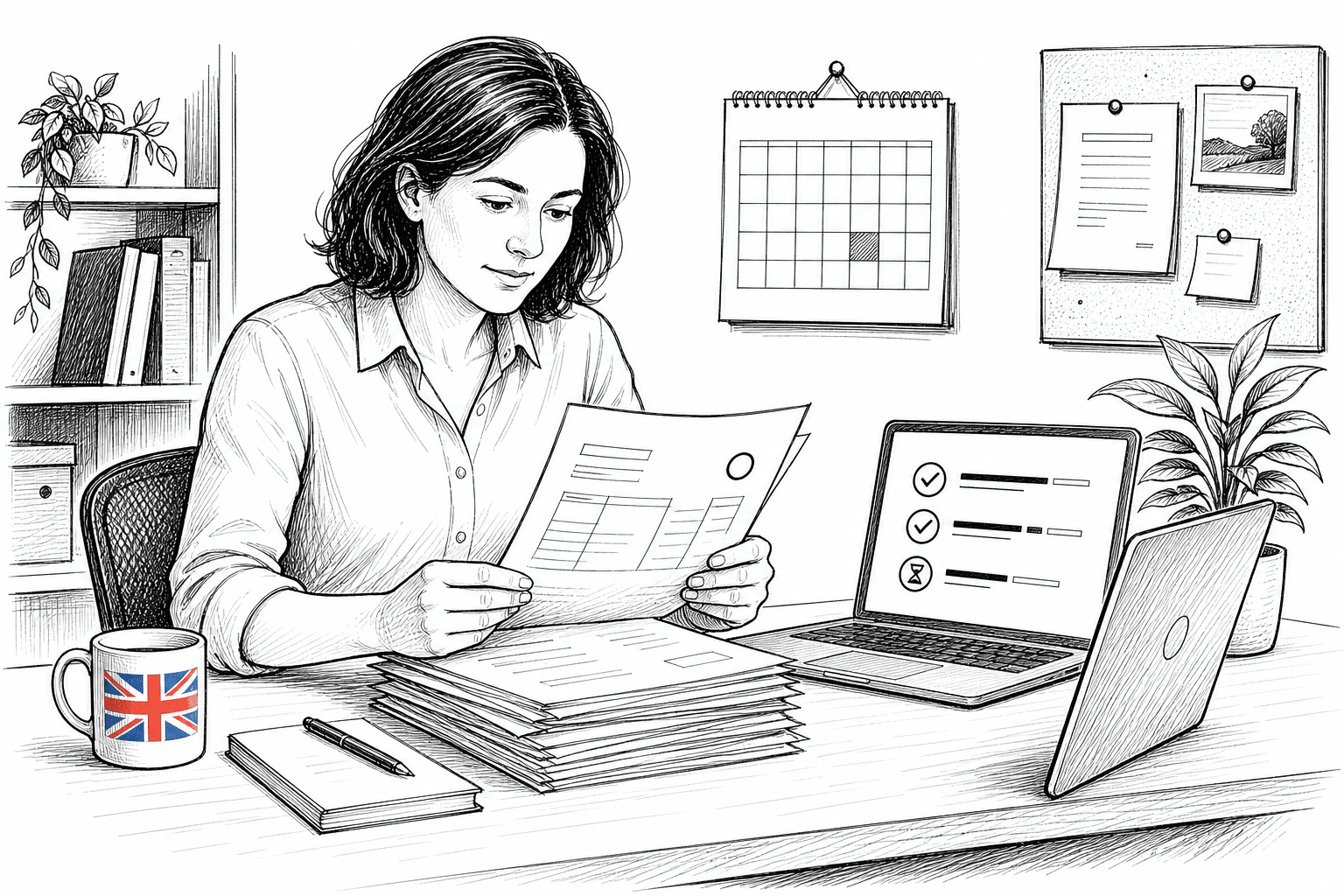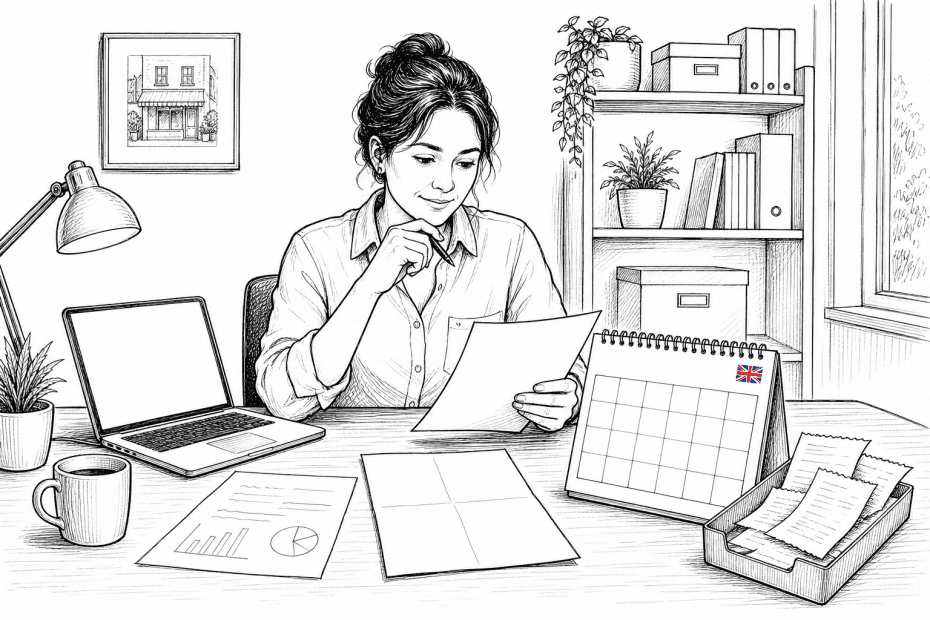
HMRC is reminding Self Assessment customers that the second payment on account for the 2025 to 2026 tax year is due by midnight on 31 July. For many sole traders, partners and small company directors, that makes July a cash-flow month as well as an admin month.
The reminder matters because payments on account are not a separate tax. They are advance payments towards the next Self Assessment bill, usually split into two instalments due on 31 January and 31 July. Each instalment is normally half of the previous year’s tax bill, unless HMRC has accepted a reduced amount.
For small business owners, the practical point is simple: do not treat the July deadline as a surprise bill. It is part of the tax cycle, and it needs to sit alongside payroll, supplier payments, VAT, rent, finance repayments and summer trading costs.
Who needs to pay by 31 July?
HMRC says customers must usually make payments on account unless their previous year’s Self Assessment tax bill was less than GBP 1,000, or they paid more than 80% of the tax they owed outside Self Assessment, for example through PAYE or deducted savings interest.
That means the deadline can catch out people whose income is uneven, including freelancers, tradespeople, consultants, landlords and directors with mixed income. If the bill is lower than last year, HMRC says taxpayers can ask to reduce their payments on account through GOV.UK. That should only be done where the lower estimate is realistic, because underpaying can still lead to interest.
HMRC is also encouraging customers to use the HMRC app, which can be used to pay, set payment reminders and view payment history. The department says more than 110,000 Self Assessment payments have been made through the app since April, and nearly 2 million Self Assessment taxpayers have used it to pay since it was introduced in January 2022.
What small firms should check now
The first check is whether the July amount is already visible and affordable. If it is not, owners should avoid leaving the issue until the final week. HMRC says customers can set up weekly or monthly payment plans, and payments already made through those plans will count towards the next Self Assessment bill.
The second check is payment timing. GOV.UK says some payment methods can reach HMRC the same or next day, while others can take three working days, or five working days for a new Direct Debit. If a business normally pays by bank transfer, Direct Debit or cheque, the payment route matters as much as the due date.
The third check is whether the 2025 to 2026 return can be filed early. Filing early does not bring the 31 January 2027 balancing payment deadline forward, but it can give owners a clearer view of the final bill, the next payment on account and any cash gap that needs planning.
There is also a Making Tax Digital overlap for some firms. HMRC’s reminder notes that sole traders and landlords with annual turnover above GBP 50,000 are now required to use MTD for Income Tax, with the first quarterly submission deadline for the 2026 to 2027 tax year falling on 7 August 2026. For affected firms, late July and early August are therefore part of the same compliance window, not two unrelated tasks.
Cash-flow planning should come before the deadline
For a small business, the July payment can be awkward because it lands during a period when many sectors are managing holidays, seasonal staffing and changing demand. Retail, hospitality, construction and professional services firms may all have very different summer cash patterns, but the tax deadline is fixed.
A sensible approach is to compare the expected HMRC payment with the next four to six weeks of known outgoings. Owners should also check whether any large customer invoices are likely to slip beyond the deadline, because a profitable month on paper will not help if the cash arrives too late.
Where the bill cannot be paid in full, the key is to engage early with HMRC rather than ignoring the deadline. GOV.UK says help is available for customers who cannot pay on time. Late payment can lead to interest and, in some cases, penalties, so silence is rarely the cheaper option.
The admin basics also deserve attention. HMRC says customers should update changes in details or circumstances, including a new address, name, business closure or the end of self-employment. Small firms should not assume an accountant, partner or former employer has updated HMRC on their behalf.
The takeaway for SMEs is to treat 31 July as a working capital checkpoint. Confirm whether a payment on account is due, check the route and timing of payment, reduce the amount only if the estimate is sound, and use the deadline to tidy Self Assessment records before the January filing season starts to bite.
Sources: HMRC press release on the July Self Assessment payment deadline; GOV.UK guidance on paying a Self Assessment tax bill.