England’s overnight World Cup match has created a very practical Monday-morning question for many small employers: should staff be allowed to start late, work from home, swap hours or take short-notice leave?
The BBC reports that employers have been urged to use “common sense and understanding” after England’s 1am kick-off against Mexico. Some firms have offered later starts, cancelled early meetings or allowed staff to rearrange client commitments. Others, especially in retail, manufacturing, hospitality and safety-critical work, have less room to move.
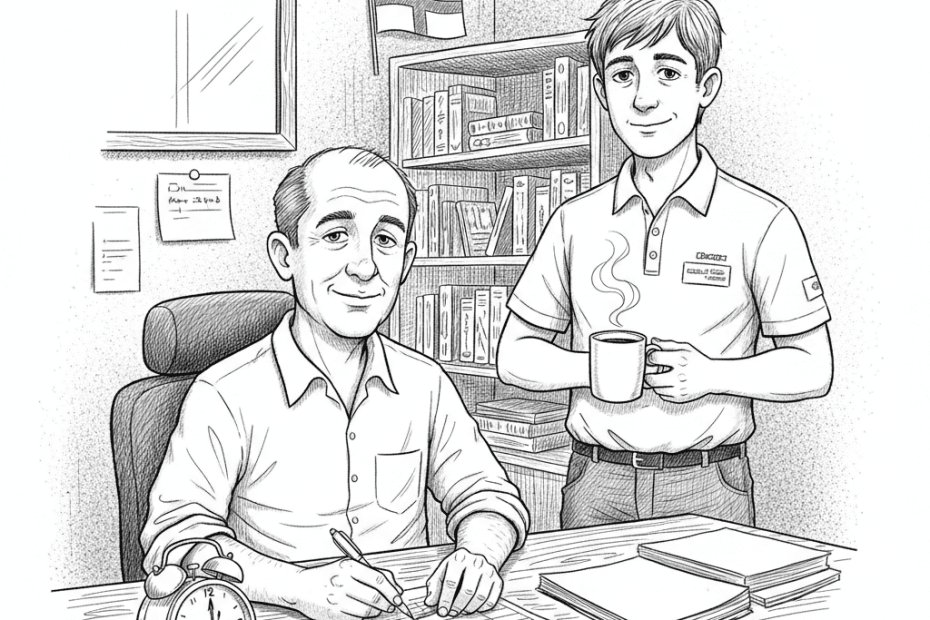
For small businesses, this is less about football and more about how to handle a predictable, short-term disruption without creating confusion or resentment. A one-off late start can be good for morale, but only if customers are still served, shifts are covered and the same rules are applied fairly.
The Federation of Small Businesses told the BBC that smaller firms can often be more nimble because chains of command are shorter and temporary working changes are simpler to agree. That is true for many office-based firms, professional services, agencies and admin teams. A business owner can often make a sensible call quickly, especially where work can be moved later in the day.
But the British Chambers of Commerce also pointed to the obvious limits. Production lines, shops, hospitality venues, care roles, delivery schedules and customer-facing counters may not be able to absorb a blanket late start. In those settings, flexibility may mean shift swaps, agreed annual leave, unpaid leave, a shorter morning briefing, extra cover, or simply making expectations clear before staff arrive tired.
The key is to separate generosity from muddle. If a firm can offer flexibility, it should say exactly what is allowed: who can start later, whether the time must be made up, which meetings are being moved, how customer cover will work, and who needs manager approval. If the firm cannot offer flexibility, it should explain the operational reason rather than leave staff guessing.
Fairness matters too. Acas told the BBC that employers must treat time-off requests fairly, noting that workplaces may include Mexico fans as well as England supporters. That is a useful reminder for any SME tempted to make the decision too informal. A policy that looks like a perk for one group of employees can quickly become a grievance for another if it is handled casually.
There is also a productivity angle. Some staff who watched the match may be less effective first thing, particularly if they are driving, using machinery, visiting customers or making important financial or operational decisions. For safety-critical work, a later start or adjusted duty may be a risk-control measure as much as a morale gesture.
Small employers do not need a complex policy for every national sporting event. They do need a repeatable way to decide. Start with three questions: can the work be done later without harming customers, is there enough cover for roles that must happen at fixed times, and can the same approach be explained fairly to the whole team?
Where the answer is yes, the practical options are straightforward. Move non-urgent meetings out of the early morning. Allow a later start with the time made up. Let staff swap shifts where managers can confirm cover. Approve short-notice annual leave if the business can cope. For office roles, consider a temporary home-working or later-start arrangement if it keeps the day productive.
Where the answer is no, the best option is clarity. Tell staff which roles need to be covered, why the business cannot change hours at short notice, and how absence will be handled. That is especially important for firms with small teams, where one unexpected absence can put pressure on everyone else.
BritishSME has previously covered related workforce issues, including what small employers should watch when offering youth work placements and workplace health plans for smaller employers. The common thread is the same: informal decisions are easier in small firms, but they still need a clear process when people, cover and expectations are involved.
The takeaway for SMEs today is simple. A bit of flexibility can build goodwill, but it should be deliberate. Decide what the business can safely offer, communicate it in plain English, apply it consistently, and keep a note of any agreed changes to hours or leave. That gives staff a fair answer and gives the business a better chance of getting through a sleepy Monday without unnecessary disruption.
Source: BBC News report on employers considering flexible working after England’s 1am match.