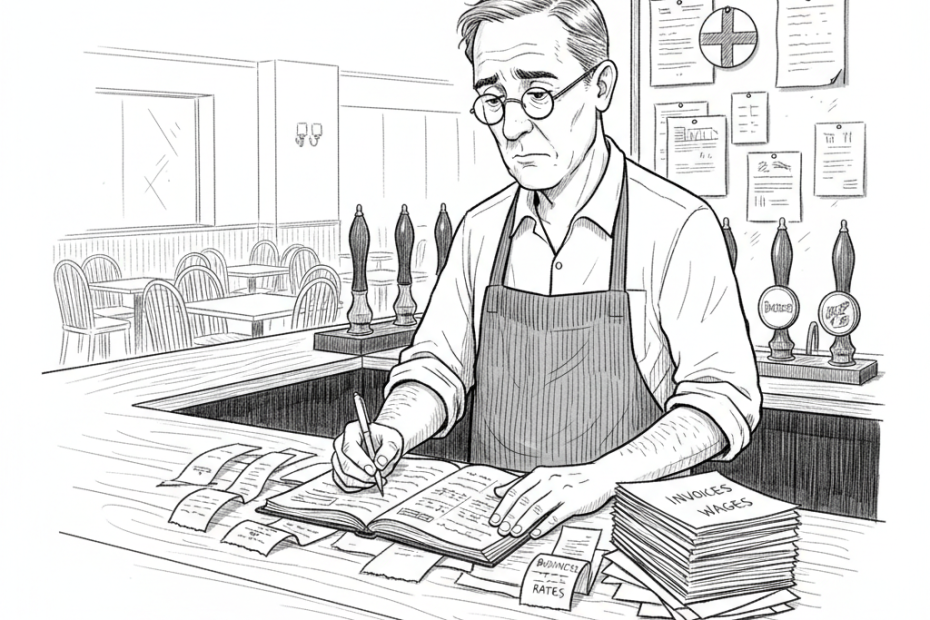
Warnings from Oxfordshire pubs underline a wider problem for small hospitality firms: some help with business rates may soften the blow, but it does not remove the pressure from wages, energy, food, drink, insurance and cautious customer spending.
BBC reporting from Oxfordshire described pub operators worried about closures after a mix of rising costs, tax changes and wage increases. One operator said his venue had diversified into events and accommodation but still had to close its food and drink operation and cut most of its staff. Another said demand had not disappeared, but costs kept moving “up and up”, leaving the business reliant on payment plans while waiting for busier trading periods.
For small pubs, cafes, restaurants and local venues, that distinction matters. A business can look busy on a Friday night and still be fragile if its gross margin is being eaten away before the rent, rates, payroll and supplier bills are paid.
What changed for pubs?
The government has pointed to a 15% cut to new business rates bills for pubs from this month, followed by a two-year real-terms freeze. It has also said wider rates reforms are intended to support high-street premises, with higher bills for the most expensive properties helping fund relief for smaller retail and hospitality sites.
That may help many venues plan with a little more confidence. The issue for SME owners is that rates are only one line in the budget. If national wage bills, utilities, food inflation, card fees, repairs and borrowing costs all move in the wrong direction at the same time, a rates reduction can be welcome without being decisive.
There is also a practical eligibility point. The BBC report notes that to benefit from the pub-specific support, a venue must meet the government’s definition of a pub. Mixed-use businesses, guest accommodation and diversified hospitality sites should check carefully what applies to them rather than assuming they qualify automatically.
Why this matters beyond pubs
Pubs are often the visible edge of a broader local-business squeeze. They employ local staff, buy from local suppliers, bring footfall to high streets and provide informal meeting space for community groups, tradespeople and small firms. When a pub reduces hours, stops serving food or lays off staff, the impact can ripple beyond one business.
The same pattern is familiar across retail and hospitality: customers are still present, but they are more selective; suppliers want faster payment; and owners are trying to protect service quality while rebuilding margins. That links directly to the cash-flow pressures many SMEs already face, including the late-payment problems covered in our piece on late payments and UK SMEs.
It also sits alongside the wider cost environment for local firms. Businesses with vans, deliveries or rural customers should keep transport costs on the radar too, as discussed in our guide to fuel duty uncertainty and SME running costs.
What small hospitality firms should check now
First, review your latest rates bill and relief position. If you run a pub or hospitality venue, make sure your local authority has the correct business description, property use and contact details. Reliefs are not helpful if the paperwork is wrong or correspondence is missed.
Second, rebuild your cash-flow forecast around the next 12 weeks, not just the next year. Include payroll, tax, supplier payments, insurance, utilities and seasonal changes in trade. If a payment plan is already needed, know exactly which bills are being pushed forward and what that does to the next busy period.
Third, look at contribution margins by activity. Food, rooms, events, wet sales and private hire may each have different staffing, waste and supplier-cost profiles. Diversification can be sensible, but only if it is making the business more resilient rather than adding complexity without enough return.
Finally, speak early rather than late. Accountants, local authorities, landlords, lenders and key suppliers are usually easier to deal with before arrears become urgent. The Oxfordshire examples are a reminder that even established-looking venues can be under strain. For SME owners, the useful response is not panic, but sharper visibility over costs, eligibility for relief, and the trading lines that genuinely pay their way.
Sources: BBC News; HM Treasury comments reported by the BBC.