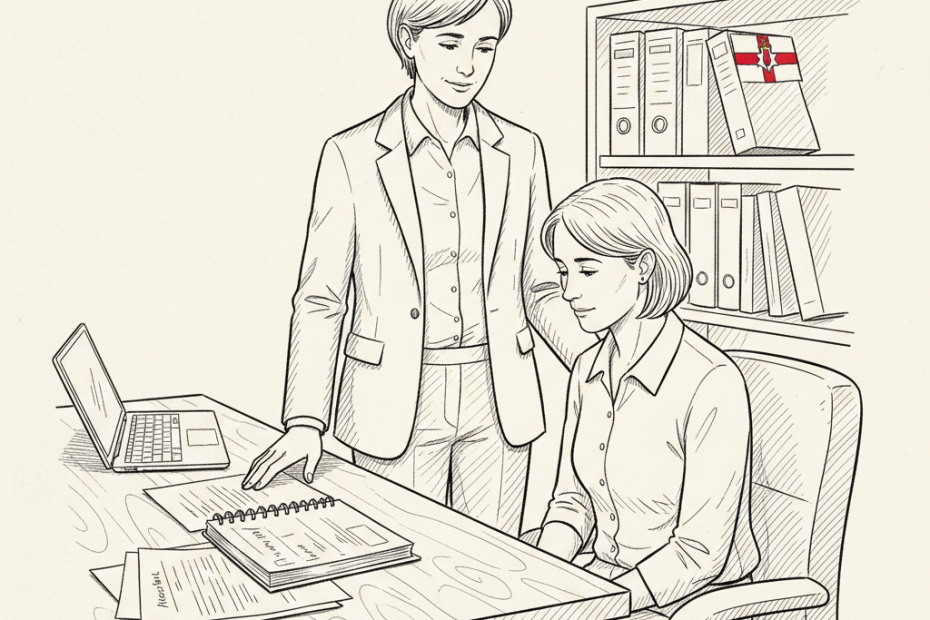
Northern Ireland has become the first part of the UK to introduce paid leave after miscarriage at any stage of pregnancy. From 6 April, a woman and her partner can take up to two weeks of statutory paid leave following a miscarriage, with the entitlement available from day one of employment. For small employers, that makes this more than a policy headline. It is now a live workplace issue that needs to be understood and handled properly.
The new right matters because many smaller firms do not have a dedicated HR team or a thick policy manual ready to go. In a small office, shop, salon, workshop or hospitality business, sensitive situations often land directly on the owner or line manager. If that conversation is handled well, it can make an awful time slightly less difficult. If it is handled badly, it can add confusion and distress on top of grief.
What has changed
According to BBC News NI and official guidance linked to the new rules, Northern Ireland is now the first UK nation to give employees a right to paid leave after miscarriage before 24 weeks. The entitlement is two weeks of leave for the woman and her partner. It can be taken as one block or as two separate weeks, and it must be used within 56 weeks of the miscarriage.
The statutory payment rate is just over £194 a week, or 90% of average weekly earnings if that is lower. Official HMRC guidance for Northern Ireland also says the rules now work from day one of employment, with employers able to use a wider earnings calculation where needed, including expected earnings in some cases. In plain English, that means a new starter is not automatically excluded in the way many small employers might assume.
Why small employers should pay attention now
The practical risk for SMEs is not usually deliberate non-compliance. It is uncertainty. A business owner may never have dealt with this situation before. Payroll software may not have been checked. A manager may wrongly assume the employee should use sick leave or annual leave instead. None of that will feel acceptable to a member of staff going through a loss.
For very small teams, there is also the operational challenge. Two weeks away from work can be hard to absorb when cover is thin and everyone already has too much on. But that is exactly why the policy side needs sorting early. If managers know the rule, know the pay position and know who handles payroll updates, they are far less likely to make a muddle of it in the moment.
It is also a reminder that employment compliance keeps moving, even for firms that feel they only just got on top of payroll for the new tax year. BritishSME covered HMRC’s latest payroll calculator updates earlier today, and this is another example of why small employers cannot afford to leave HR and payroll settings on autopilot.
What employers in Northern Ireland should do this week
First, update your internal leave policy or at least create a short written note for managers. It does not need legal-jargon theatrics. It just needs to set out that paid miscarriage leave now exists, who can ask for it, and who should process it.
Second, check with your payroll provider or software that the statutory payment can be handled correctly. Do not assume it will all sort itself out quietly in the background.
Third, brief whoever is most likely to receive the first conversation. In many SMEs that will be the owner, office manager or general manager. They should know to respond calmly, keep the conversation private and avoid pushing the employee towards annual leave or sick leave unless that is what the employee later chooses and the rules allow.
Finally, remember the human bit. This is not just an admin category. For the people involved, it can be a deeply personal loss. Small businesses are often at their best when they handle difficult moments like humans rather than systems. Clear process matters, but kindness and discretion matter too.
The practical takeaway
If you employ people in Northern Ireland, this is one of those changes worth acting on immediately. You do not need a huge HR project. You do need a basic policy update, a payroll check and a manager who understands the new entitlement before it lands on their desk unexpectedly.
For employers elsewhere in the UK, the change is also worth noting because it raises the bar on what supportive practice can look like. But in Northern Ireland, it is now the law. Small employers who get organised now will be in a much better position to respond properly if a member of staff ever needs that support.
Sources: BBC News NI; HMRC impact assessment; HMRC guidance for Northern Ireland employers.


