Nearly 160,000 uninsured vehicles were seized on UK roads last year, according to figures reported by the Motor Insurers’ Bureau, the highest annual total for 17 years. At first glance that can sound like a consumer motoring story. For small businesses, though, it is a useful warning about how easy it is for vehicle cover to go wrong, especially when firms rely on vans, pool cars, temporary staff, family help or informal driving arrangements that have built up over time.
The BBC reported that 158,594 vehicles were seized in the last year and that the MIB estimates about 300,000 cars are being driven uninsured on UK roads each day. GOV.UK’s own insurance guidance is a reminder that the legal risks are not minor. Registered keepers of uninsured vehicles can be fined, have vehicles wheel-clamped or impounded, and in some cases face court action. For a business that depends on getting to customers, moving tools, making deliveries or visiting sites, that can quickly become an expensive operational problem rather than a paperwork issue.
Why SMEs should pay attention
Many small firms assume insurance is either fully in place or obviously missing. In reality, the weak points tend to sit in the middle. A business owner may have insured a vehicle for social or commuting use but not for the kind of business journeys now being made. A member of staff may be using their own car for errands without the right cover. A van may still be insured, but the list of named drivers may no longer match who actually uses it. A director may think a temporary worker is covered under a company policy when they are not.
Those gaps are more likely when a business has grown in a piecemeal way. Plenty of SMEs add vehicles one at a time, change staff responsibilities quickly, or lean on relatives and trusted helpers during busy periods. What starts as a practical short-term fix can leave the insurance position less tidy than the business owner thinks.
The cost pressure excuse will not protect the business
The BBC said one of the main reasons drivers gave for being uninsured was the cost of cover. That pressure is real. Premiums have been painful for households and businesses alike, and every renewal now seems to trigger another hunt for savings. But for SMEs the financial case for cutting corners is especially weak. Losing access to a vehicle, missing jobs, delaying deliveries or exposing the business to a claim after a collision can cost far more than the premium that looked expensive at renewal time.
There is also a reputation issue. Customers may forgive a late arrival caused by traffic. They are much less likely to be relaxed if the delay follows a seizure, a stopped vehicle or an avoidable insurance problem that should have been under control.
What to check now
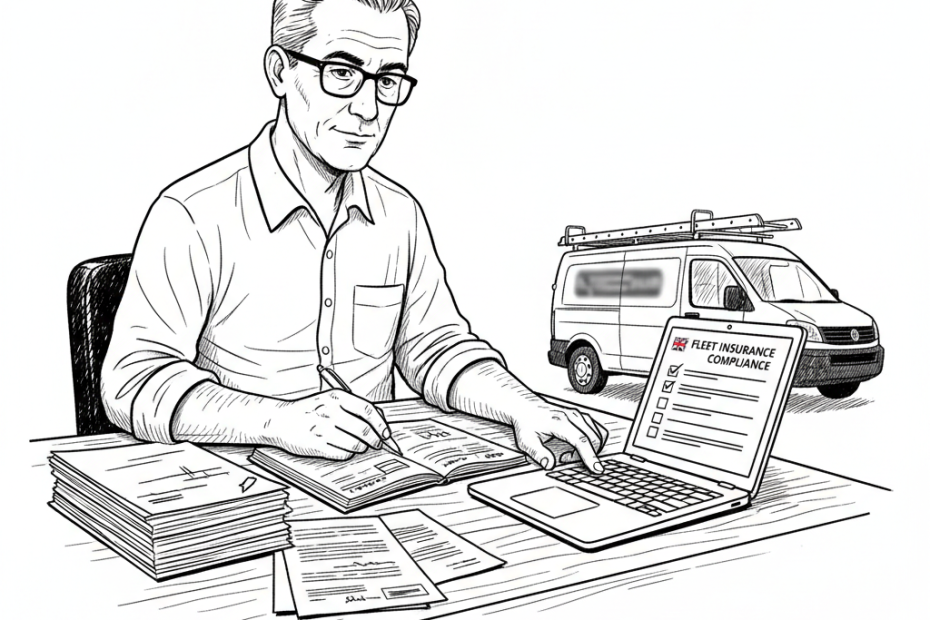
Small businesses do not need a major fleet department to tighten this up. They do need a basic review. First, check every vehicle the business owns, leases or regularly uses and make sure it is actually insured for the way it is being used now. Second, confirm who is allowed to drive each one and whether those named drivers are current. Third, review any arrangement involving employees using their own cars for work, because “I thought my personal policy covered it” is not a safe assumption.
It is also worth checking whether any vehicles that are off the road have been formally declared SORN where appropriate. GOV.UK says a vehicle kept off the road does not need insurance only if it has been declared off road. If it has not, the business can still be caught by continuous insurance enforcement rules.
Finally, if you have multiple vehicles or a mix of occasional and regular drivers, ask your broker or insurer for a clear written summary of what is and is not covered. That is usually more useful than relying on memory from a renewal phone call.
The takeaway
The latest uninsured driving figures matter to small businesses because they show how common non-compliance has become on UK roads. For SMEs, this is not just about avoiding fines. It is about protecting day-to-day trading. If your business uses vehicles in any form, now is a good moment to run a quick insurance audit before a routine stop, an accident or a busy week exposes a gap you did not know was there.
Sources
- BBC News, Nearly 160,000 uninsured cars seized on UK roads, published 17 April 2026
- GOV.UK, Vehicle insurance: Uninsured vehicles, accessed 18 April 2026