Small shops in England facing persistent threats, intimidation or nuisance have a new enforcement measure to discuss with local agencies. Respect Orders became available across England and Wales on 26 October, giving courts another way to restrict adults whose behaviour is harming communities.
For an independent retailer, the useful response is to make repeated problems easier to investigate: report incidents through the right channels, explain their impact and keep a clear record. An order remains a decision for the authorities and courts.
What the new orders can do
The Home Office launch announcement says courts can exclude offenders from places such as town centres and restrict drinking in public hotspots. Orders can also require steps intended to address underlying problems, including treatment for drug or alcohol misuse.
These are civil court orders for adults aged 18 and over. Police, councils and other specified bodies can seek them. A shop owner should raise evidence with the relevant agency rather than assume they can obtain an order themselves. This launch covers England and Wales; Scotland and Northern Ireland have separate arrangements.
Leicestershire Police’s explanation stresses that individual cases require consideration of the evidence, circumstances and risks. Suspected breaches can lead to arrest, and breach is a criminal offence. The existence of the power does not mean every complaint will produce an order or an immediate arrest.
Make each report useful
The government’s reporting guidance sets out the details agencies may need: what happened, where and when it happened, who was involved, witnesses and whether it has happened before. A diary can also record the effect of the behaviour.
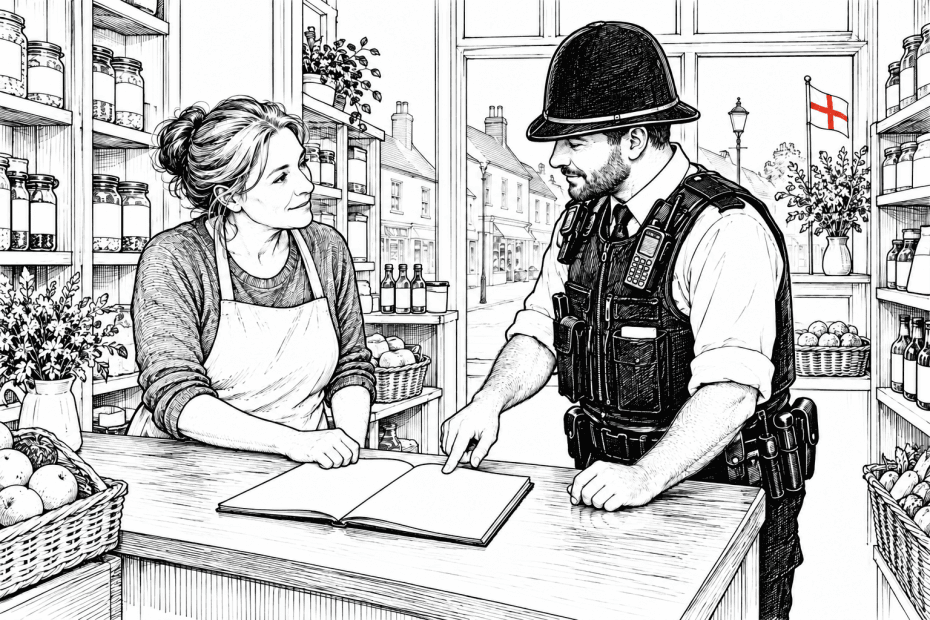
For a small shop, that could mean noting when staff were threatened, an entrance became difficult to use or trading was interrupted. Keep observations factual. Distinguish what an employee saw from something they were told, and retain report references so later incidents can be connected to the earlier history.
Relevant photographs, recordings and witness accounts may help. Ask the investigating agency how it wants evidence provided. Staff safety comes first: gathering information should never become a reason to approach or follow someone behaving aggressively.
Choose the right reporting route
GOV.UK’s overview directs people to police when they feel threatened or suspect the law is being broken, and to councils for problems affecting the local area. Call 999 if someone is in immediate danger or a crime is in progress. Do not wait for a discussion about Respect Orders in an emergency.
For ongoing problems, ask who is handling the case and request an update if none arrives. A short, organised account can explain the repeated pattern without expecting a member of staff to reconstruct months of events from memory.
If repeated reports have not resolved the problem
An existing antisocial behaviour case review may be available where the local threshold is met. Businesses can be victims for this purpose, alongside individuals and community groups. Ask the council or police for the local application procedure and qualifying conditions.
This brings agencies together to examine previous action and consider further steps. It is not a promise that a particular offender will receive a Respect Order. The Home Office also says the separate local policing body review chapter has not yet taken effect.
Use this week’s launch to check who records incidents, where references are kept and how staff seek help. Our earlier guide to safer retail-crime procedures covers the wider operational response. The new development is an additional court power; clear reporting helps agencies assess whether it fits the problem.
Sources
Home Office launch and statutory guidance; Leicestershire Police; GOV.UK reporting and case-review guidance, linked above. Checked 27 October 2026.