A new government-backed energy-saving tool could be worth a look for hospitality SMEs that are tired of watching margin leak away through lights, fridges, extraction systems and other everyday power use.
The scheme, announced on Tuesday, will offer more than 525 small and medium-sized pubs, restaurants and hotels in England free access to a digital energy and carbon reduction tool. The government says a 12-month trial with 90 hospitality businesses cut average annual energy bills by nearly £2,500, with some operators sharply reducing overnight electricity use.
That matters because many smaller hospitality firms are still dealing with high operating costs, cautious customers and pressure on cash flow. A free tool will not solve every problem, but if it helps owners spot wasted energy quickly, it could protect profit without forcing another round of price rises.
What has been announced
The Department for Energy Security and Net Zero said the tool is being extended after a trial phase run with Zero Carbon Services. It is designed for small and medium-sized hospitality businesses in England and uses a firm’s own energy data to highlight waste, flag unusual usage and suggest practical changes.
According to the government, trial participants cut bills by an average of almost £2,500 a year. One pub in Bromley reduced energy use by 26%, saving about £48 a week. Another smaller pub in Surrey cut overnight energy use by 66%, with annual savings put at more than £1,500.
The Zero Carbon Company application page says the free support is for hospitality SMEs in England that have a smart meter. Businesses accepted onto the scheme receive a tailored reduction plan, an online portal and virtual coaching over 12 months.
Why this matters for small hospitality operators
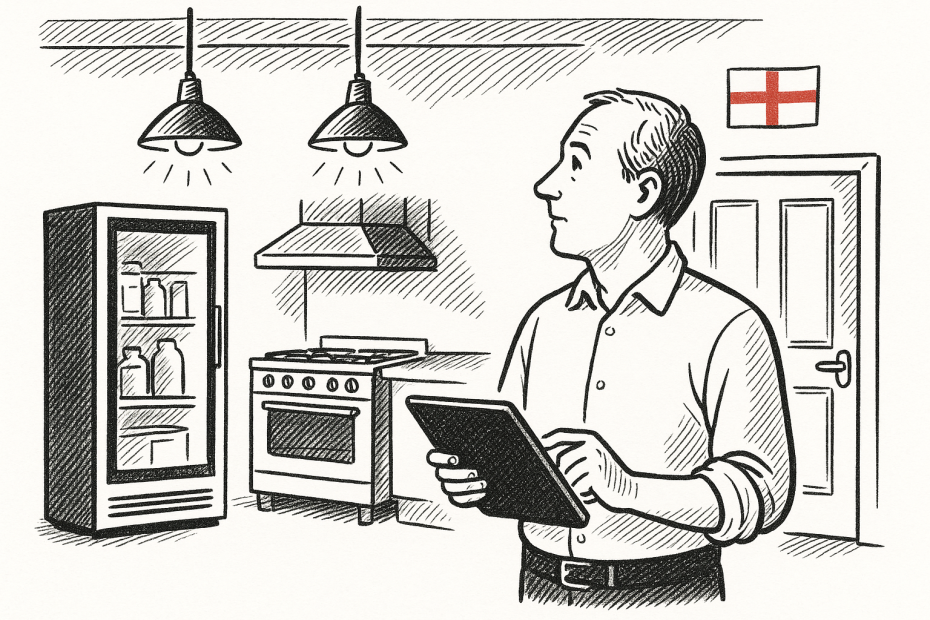
For independents, energy waste is one of the more frustrating costs because it often hides in plain sight. Kitchen kit is left running longer than needed. Outdoor lights stay on. Fridges work harder than they should. Extraction or ventilation continues overnight. None of that feels dramatic on a single day, but across a month it can erode already-thin margins.
This is especially relevant for pubs, cafés, takeaways, guesthouses and small hotels that do not have a dedicated facilities manager or energy team. In many businesses, the owner is already juggling rota gaps, supplier issues, stock, bookings and admin. A tool that points to the biggest waste first may be more useful than another general lecture about “being greener”.
It also arrives at a sensible time. Energy and fuel costs are still a live concern for many SMEs, and hospitality is one of the sectors that tends to feel cost pressure quickly. If your business also relies on deliveries or staff travel, the wider cost picture we discussed in our piece on fuel duty uncertainty and running-cost pressure is part of the same margin problem.
What owners should check before applying
First, make sure the business is actually eligible. The current scheme is England-only, aimed at SME hospitality businesses, and requires a smart meter. If you are based in Scotland, Wales or Northern Ireland, or your site does not yet have a smart meter, this specific offer may not fit.
Second, be realistic about whether the business can act on the advice. The value is not just in getting access to a dashboard. It is in changing routines. If staff open up and close down differently, if equipment schedules are tightened, and if waste hotspots are fixed, the savings could be meaningful. If nobody has time to implement anything, the benefit will be limited.
Third, think beyond headline savings. A quoted average of nearly £2,500 a year will matter a lot to some firms and less to others. For a single-site café, that could cover a chunk of rent, rates, insurance or seasonal wage pressure. For a multi-site operator, it may be more interesting as a repeatable system that can be rolled out across venues.
The practical takeaway
This looks like a credible, practical scheme rather than a vague awareness campaign. It is targeted, free for eligible firms and focused on the sort of behaviour-based savings that hospitality businesses can often unlock quickly.
Small operators should not treat it as a magic fix. But if you run a pub, restaurant or hotel in England and have a smart meter, it may be worth applying while places remain available. In a sector where margin is often won or lost on small operational details, cutting avoidable overnight energy use is one of the cleaner wins on offer.
Sources
- UK government news release, Pubs, restaurants and hotels slash bills with energy saving tool, published 17 March 2026
- Zero Carbon Company, Energy and carbon reduction tool, accessed 17 March 2026