Small retailers, importers and online sellers have a fresh product-safety issue to check after the government issued a joint statement on possible asbestos contamination in some sand-containing consumer products.
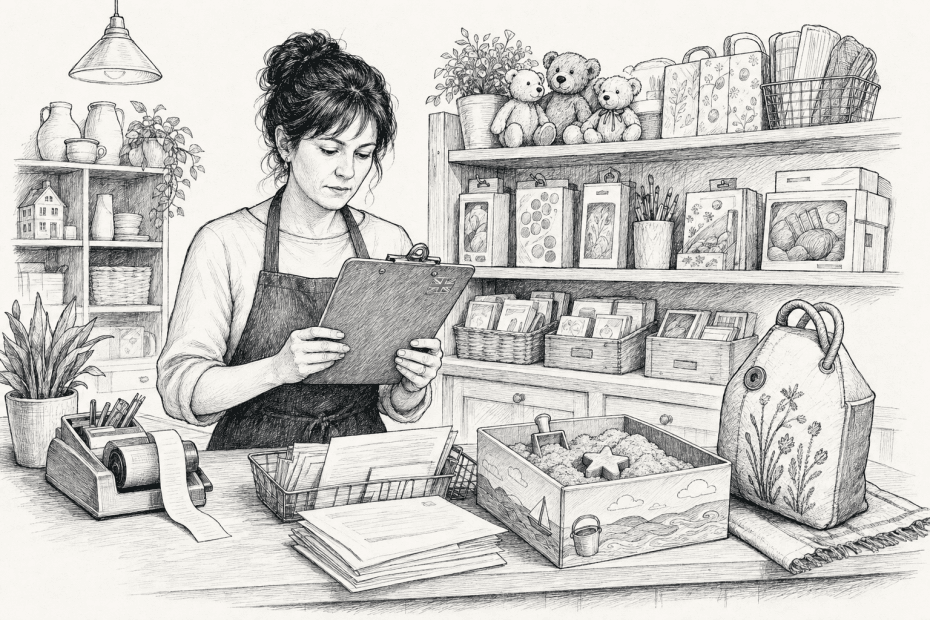
The statement, agreed by the Office for Product Safety and Standards, the UK Health Security Agency and the Health and Safety Executive, says a number of consumer products have been recalled after being found to contain small amounts of asbestos. The products named in the statement include craft kits, science kits, toys containing sand and decorative doorstops. The government also says no play pit sand is currently subject to a recall.
For small businesses, the practical point is not to panic, but to move quickly and methodically. Any business that makes, imports, distributes or sells consumer products has duties under the UK product safety framework. The statement is explicit that products placed on the market must be safe in normal and reasonably foreseeable use, and that businesses must monitor products for safety risks after they are sold.
Why this matters to SMEs
Many smaller firms sell through a mix of high street premises, marketplaces, pop-ups and direct-to-consumer websites. A product recall can therefore create several jobs at once: checking stock records, identifying affected lines, stopping sales, contacting customers, handling returns and making sure staff know what to say.
The government’s position on asbestos is clear. Asbestos use or importation has been banned since 1999, and there is a zero-tolerance approach to asbestos in consumer products. OPSS says industry must act to meet its responsibilities, including removing any consumer products containing asbestos from sale and recalling them from consumers.
That matters even where the immediate health risk may be low. The statement says the risk from the recalled products during normal use is expected to be low, including with occasional short-term exposure and when disposal instructions are followed. But asbestos risk depends on how a product is used and whether fibres are released into the air, so businesses should not treat a low-risk assessment as a reason to leave affected products on sale.
What to check now
First, search current stock and recent orders for the types of products mentioned by the government: craft kits, science kits, toys containing sand and decorative doorstops. If your business buys from wholesalers, importers or overseas marketplaces, check supplier notices as well as GOV.UK product safety alerts and recall pages.
Second, pause any line that appears to match a recall until you have confirmed whether it is affected. This is especially important for businesses that use marketplace listings, because old product pages, duplicate SKUs and supplier-provided descriptions can leave unsafe or recalled products visible after a decision has been made internally.
Third, keep a simple record of the checks you make. Note the product name, supplier, batch or order references, where it was sold, the recall information reviewed and the action taken. For a small firm, this does not need to be complicated, but it should be clear enough to show that the business acted promptly and proportionately.
Fourth, brief customer-facing staff. If customers ask about a recalled product, staff should be able to point them to the official recall or clean-up advice rather than improvising. The government advice is to stop use of, or access to, affected products and follow the relevant clean-up and recall instructions.
Finally, review supplier controls for products that contain sand or mineral-like materials. The issue is a useful reminder that product safety is not only about obvious electrical, choking or fire risks. Materials, contamination and documentation can matter too, particularly for children’s products and hands-on activity kits.
The takeaway
This is a targeted product-safety warning rather than a blanket warning about all sand products. But it is still relevant for SMEs that sell consumer goods, educational kits, children’s products, craft supplies or homeware. The safest response is to check the official recall list, stop any affected lines, communicate clearly with customers and keep evidence of the actions taken.
Sources: GOV.UK joint statement on asbestos in consumer products.