A temporary VAT cut for children’s meals and family attractions will run across the UK this summer, giving hospitality, leisure and visitor-economy SMEs only a short window to check whether they qualify and how they will handle prices, tills and customer messaging.
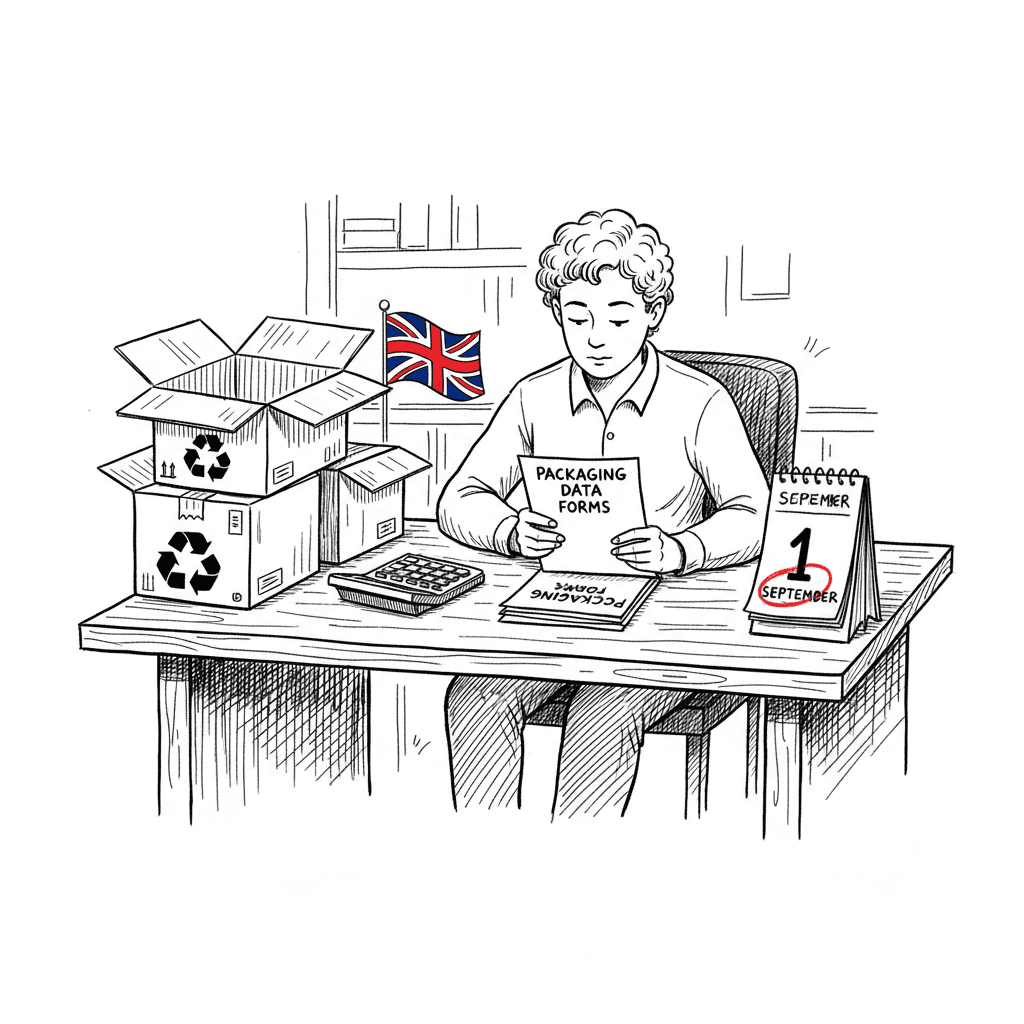
HMRC says a 5% reduced rate of VAT will apply from 25 June 2026 to 1 September 2026, inclusive, for certain children’s meals, children’s and family tickets, and admission to a range of family-friendly attractions. The standard rate is 20%, so the change may be commercially useful, but it is not automatic across every summer activity.
What has changed
The government has announced the Great British Summer Savings scheme, a temporary reduced VAT rate intended to lower the cost of summer activities for families and support businesses through higher footfall. The measure applies in England, Wales, Scotland and Northern Ireland.
The HMRC brief says the 5% rate will apply to certain supplies of children’s meals, children’s admission to theatres, cinemas, concerts, exhibitions and shows, and admission tickets to attractions suitable for families with children.
The accompanying fact sheet says eligible activities include children’s meals served in restaurants for consumption on the premises, where the meals are from a dedicated children’s menu and are marketed, presented and priced as children’s meals. It also covers children’s and family tickets for cinema, theatre, concerts, exhibitions and shows.
For attractions, the scope is wider. Admission tickets, including adult tickets, may qualify for amusement parks and fairs, water parks and theme parks, circuses, adventure parks, museums and similar cultural facilities, zoos, aquariums, wildlife parks, farm visitor attractions, soft play centres, indoor bounce parks, indoor play facilities and observation attractions.
Why this matters for small firms
For restaurants, cafes, attractions and local leisure operators, the immediate question is not just whether the VAT rate falls. It is whether the business can apply it correctly, decide how much of the saving to pass on, and explain any summer pricing changes clearly enough that customers and staff are not left guessing.
The government says it expects qualifying businesses to pass the saving on to families by lowering prices on eligible children’s meals and tickets. It also says passing on the full saving can help businesses attract more customers over the summer. That creates a commercial choice for SMEs: use the reduced rate as a visible price cut, build it into promotions, or make a more limited adjustment where margins and systems allow.
That choice should be made carefully. Some firms will already be dealing with wage, energy, rent, supplier and insurance pressures. BritishSME has previously covered how weak demand and margin pressure can affect small-business planning, and this scheme may bring both an opportunity and another admin job at the same time.
Check whether the sale is actually eligible
The relief is targeted, so businesses should avoid assuming that every meal, ticket or activity qualifies. Children’s menu meals for consumption on the premises are in scope, but normal adult meals are not described in the HMRC brief as eligible. For cinemas, theatres, exhibitions, concerts and shows, the reduced rate applies to children’s and family tickets only.
Attractions have a broader route into the relief, but the fact sheet still draws boundaries. Sports facilities are not included, partly because some sports supplies may already be exempt when supplied by eligible non-profit bodies. Activities where no VAT is charged because they are already exempt or zero-rated are not brought into scope simply because the summer scheme exists.
Season tickets and advance purchases also need attention. The government says a ticket permitting repeat entries outside the 25 June to 1 September period will not qualify unless it is priced the same as a standard single-entry ticket. Repeat-entry tickets solely for use within the relief period can qualify.
What SMEs should do before 25 June
The first practical step is to list the products and ticket types that might qualify. A small restaurant might check its children’s menu, table-service rules and point-of-sale categories. A soft play centre might check single-entry tickets, summer passes, parties, food sales and any bundled offers. A farm attraction or zoo might check whether membership products, family tickets, online advance tickets and gate sales are treated differently.
Next, check the systems. Tills, booking platforms, website prices, accounting software, VAT codes, invoices and refunds may all need a temporary setup. Staff will also need clear instructions, especially where an order contains both eligible and non-eligible items.
Businesses that sell tickets in advance should look at the timing rules before changing prices or issuing refunds. HMRC says businesses will be able to apply the 5% rate on eligible sales for admission during the relief period, and that for sales made before the legislation is in place, including before the announcement, businesses may opt to apply the reduced rate or refund the VAT saving.
It is also worth deciding how to record the decision. If the business lowers prices, keeps some prices unchanged, refunds part of an advance sale, or changes a bundle, the reasoning should be documented. That is useful for finance teams, accountants and future HMRC questions. It also helps avoid confusion when the rate returns to normal after 1 September.
The practical takeaway
This is a short, targeted summer measure rather than a permanent hospitality VAT change. For some SMEs, it could support demand during the school holidays and make family offers more attractive. For others, the benefit may be more limited because only part of their sales mix qualifies.
The safest approach is to treat the announcement as an implementation task. Check eligibility, update systems, decide how pricing will work, brief staff, and keep a simple audit trail. If the relief applies to a meaningful part of your summer trade, the firms that prepare before 25 June will be better placed to use it without creating a muddle at the till.
Sources: HMRC: Revenue and Customs Brief 5 (2026); GOV.UK: Great British Summer Savings 2026 fact sheet; GOV.UK: Great British Summer Savings announcement.