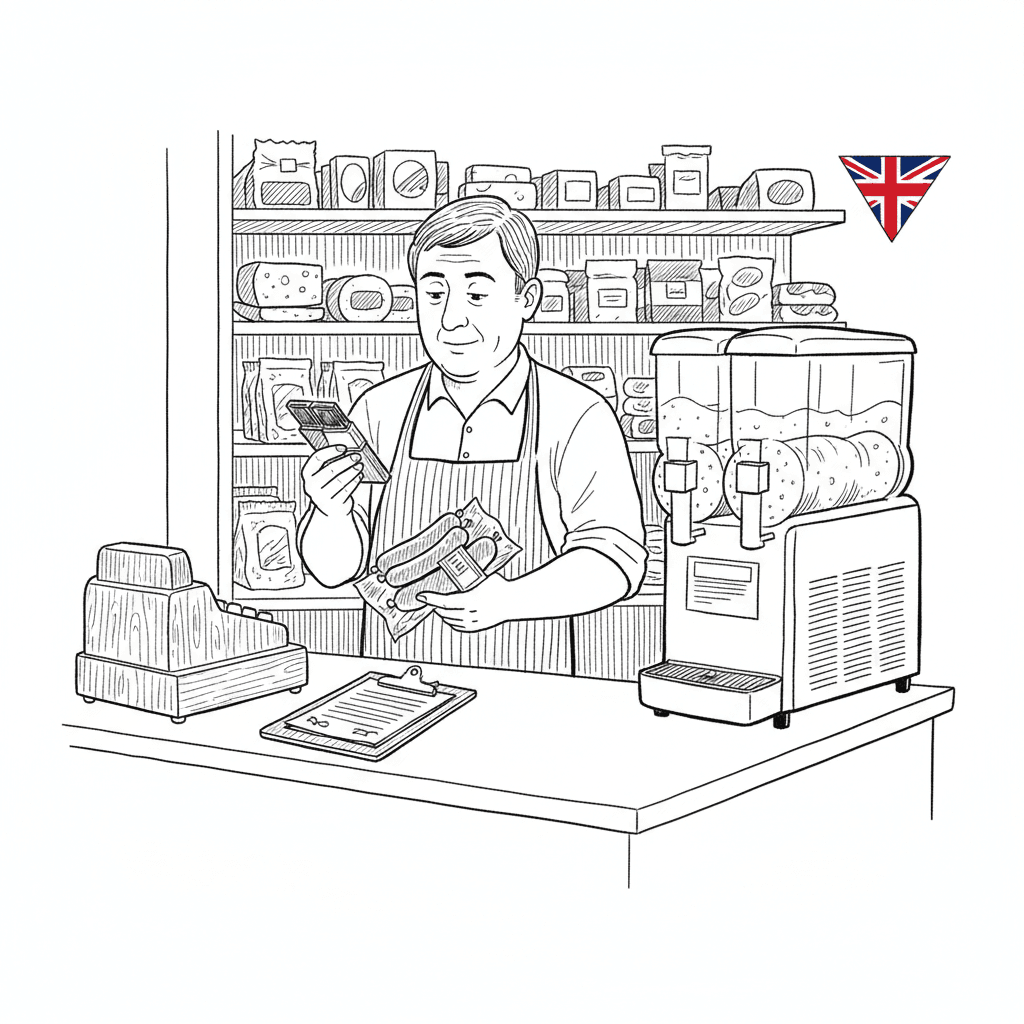
HMRC says it will carry out more than 30,000 high street interventions in 2026 to 2027 as part of a wider push against tax fraud, labour exploitation and illicit trade in cash-intensive shops.
The announcement followed unannounced visits to six souvenir shops in central London, where HMRC officers worked alongside Immigration Enforcement, Westminster Council Trading Standards and the Metropolitan Police. HMRC said all six locations had till data downloaded for tax compliance enquiries. The wider operation also led to immigration arrests, a civil penalty for one business, and seizures of goods including disposable vapes, counterfeit items and unsafe travel adapters.
For legitimate SMEs, the important point is not the headline language about “dodgy shops”. It is the direction of travel. HMRC is signalling a more coordinated enforcement model, with tax, labour-market, immigration, trading standards and policing teams sharing intelligence around high street businesses that may be used as fronts for wider criminal activity.
Why this matters to SMEs
Small retailers, hospitality operators, barbers, convenience stores, vape shops and other local businesses often compete on narrow margins. When rogue operators suppress sales, sell illicit stock or underpay workers, they can make compliant firms look expensive even when those firms are simply meeting their legal obligations.
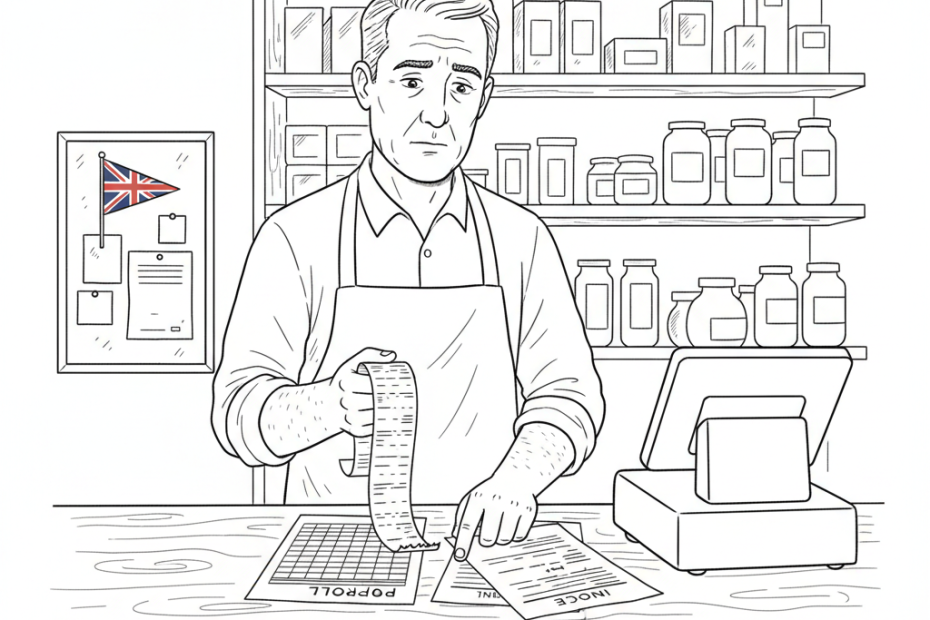
HMRC says the new activity will include unannounced visits, tax investigations, organised crime investigations, seizures and warning letters. It also says it will focus on till fraud, including electronic tools that can manipulate sales records, conceal takings or help launder money.
That means the crackdown is relevant even for firms that are not doing anything wrong. A business may still face disruption if its records are untidy, if staff cannot explain how sales are recorded, or if managers have not kept a clear audit trail for cash handling, refunds, discounts and stock movements.
What business owners should review
The practical response is a short compliance health check. Owners should make sure daily takings can be reconciled to the till, card processor, bank deposits and accounting records. Cash differences should be explained and recorded rather than left as informal notes or memory.
Businesses using point-of-sale software should also check that the system is from a reputable provider, access is controlled, and any corrections or voids are logged. If more than one person can amend sales data, the owner should understand who has access and how changes are reviewed.
Employment records deserve the same attention. HMRC’s updated National Minimum Wage factsheets explain the checks it carries out and how employers can review their own records. For SMEs with shift work, tips, deductions, uniforms, unpaid time before or after shifts, or variable hours, it is worth checking that pay records match the rules in practice, not just in the contract.
Retailers should also look again at suppliers. Cheap stock can create tax, safety and reputational risks if the paperwork is poor. In sectors such as vapes, tobacco, souvenirs and convenience retail, owners should be able to show who supplied goods, what was ordered, what was paid, and whether stock meets the relevant product rules.
A fairer high street depends on evidence
The government says 350 criminal investigators announced at last year’s Budget have now been recruited, with around half of their work focused on harmful high street businesses and those behind them. It has also linked the HMRC work to the new High Street Organised Crime Unit, which brings together several enforcement bodies.
For compliant SMEs, stronger enforcement could help level the playing field. But the benefit will only be felt if honest firms can quickly demonstrate that their own books, payroll and stock records are in order.
The best immediate step is simple: pick one trading week and trace it end to end. Check sales, refunds, cash banking, supplier invoices, staff hours and wage payments. If the records are hard to follow internally, they will be harder to explain during an official visit.
Business owners do not need to panic, but they should take the signal seriously. HMRC is making clear that high street enforcement is becoming more visible, more joined-up and more data-led. For SMEs doing things properly, clean records are the quickest way to protect time, reputation and confidence.